





How to Choose an Aquaculture Water Quality Tester Linshang LS311 Malaysia

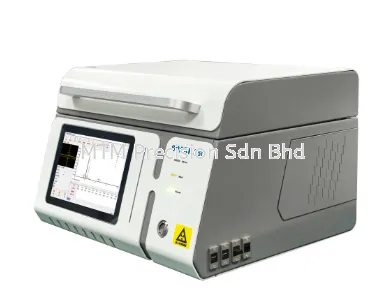
How to Choose an Aquaculture Water Quality Tester Linshang LS311 Malaysia Choosing the right water quality tester for aquaculture depends on the type of farming system, water source and parameters that need to be monitored. Freshwater fish farms, marine aquaculture, shrimp farms, hatcheries and aquarium systems do not necessarily require exactly the same measurements. For users who want a portable multi-parameter instrument, the Linshang LS311 Water Quality Tester provides nine water quality parameters: COD TOC TDS UV275 EC Temperature Salinity GH General Hardness Specific Gravity The combination of general water quality indicators with salinity, hardness and specific gravity makes the LS311 particularly relevant to aquaculture applications. 1. Start with the Type of Aquaculture Before choosing an instrument, determine what type of water system you are monitoring. Common examples include: Freshwater fish ponds Marine fish farms Brackish-water aquaculture Shrimp farms Hatcheries Indoor tanks Aquariums Research facilities The required parameters can differ significantly between these applications. 2. Do You Need Salinity Measurement? For marine and brackish-water applications, salinity can be an important parameter. Salinity may change because of: Rainfall Evaporation Water exchange Freshwater addition Different source water If salinity monitoring is required, the LS311 should be considered instead of the LS310. The LS310 does not include the three additional LS311 parameters: salinity, GH and specific gravity. 3. Do You Need Specific Gravity? Specific gravity is particularly relevant for saline and marine water. It is commonly used when preparing or monitoring saltwater systems. Because the LS311 provides both salinity and specific gravity, it can support a wider range of marine applications than a general-purpose freshwater tester. 4. Do You Need GH? GH, or General Hardness, provides information relating to mineral hardness in water. It can be useful in freshwater aquaculture and aquarium applications. If hardness is an important part of your routine monitoring program, the LS311 provides this parameter together with its other measurements. 5. Is a TDS Meter Enough? A basic TDS meter is useful when the only requirement is Total Dissolved Solids. However, aquaculture water management can involve many different parameters. The LS311 provides: COD + TOC + TDS + UV275 + EC + Temperature + Salinity + GH + Specific Gravity Therefore, it offers much broader screening capability than a conventional TDS pen. 6. Consider How Often You Need to Test Aquaculture operators may need to take measurements: Daily Weekly Before water exchange After water exchange During seasonal changes When abnormal conditions are suspected When measurements are frequent, ease of operation becomes important. The reagent-free measurement approach of the LS311 can make routine screening more convenient for the supported parameters. 7. Consider the Number of Ponds or Tanks A farm with one pond has different monitoring requirements from a facility with dozens of ponds. Portable equipment becomes particularly useful when technicians need to move between multiple sampling points. For example: Pond 1 → Pond 2 → Pond 3 → Pond 4 or: Tank A → Tank B → Tank C The same instrument can be used to establish comparable records across different locations. 8. Do You Need Trend Monitoring? Aquaculture water quality should not always be evaluated from a single measurement. A better approach is to establish baseline values and monitor changes. A simple system is: Establish Baseline → Measure Regularly → Record Results → Compare Trends → Investigate Abnormal Changes Portable multi-parameter instruments can be particularly useful for this type of routine monitoring. 9. Does One Tester Measure Everything? No. This is important when buying an aquaculture water quality tester. Depending on the species and farming system, users may also need to measure: pH Dissolved oxygen Ammonia Nitrite Nitrate Chlorine Turbidity Other specific parameters Therefore, do not choose an instrument simply because it has the largest number of parameters. Choose instruments according to the actual requirements of the aquaculture system. 10. LS310 or LS311 for Aquaculture? The simplest selection guide is: Linshang LS310 Consider LS310 for: Drinking water Tap water Filtered water RO water General freshwater screening Linshang LS311 Consider LS311 for: Aquaculture Fish farms Shrimp farms Marine applications Seawater Brackish water Aquariums Applications requiring salinity Applications requiring GH Applications requiring specific gravity For aquaculture, the LS311 generally offers the more relevant parameter combination. Freshwater Fish Farm For freshwater farms, the LS311 provides several useful screening parameters including TDS, EC, temperature and GH. However, freshwater aquaculture often also requires dissolved oxygen, pH, ammonia and other measurements. The LS311 can therefore form part of a larger testing kit rather than replacing every water quality instrument. Marine Fish Farm For marine aquaculture, the additional salinity and specific gravity functions make the LS311 considerably more useful. Operators can establish regular sampling points such as: Water Intake → Culture Area → Outlet Measurements can then be compared over time. Shrimp Farm Water quality is also an important management factor in shrimp farming. Depending on whether the system uses freshwater, brackish water or marine water, different parameters may need to be monitored. The LS311 can support multi-parameter screening, especially where salinity monitoring is required. Hatchery Hatcheries may require frequent water quality checks. A portable instrument can make routine screening at different tanks or water sources easier. However, the sensitivity of hatchery operations means users should establish a complete monitoring program based on the requirements of the species being cultured. Portable vs Laboratory Water Testing Portable and laboratory instruments serve different purposes. Portable Tester Best suited for: Routine screening Field measurement Quick comparison Trend monitoring Multiple sampling locations Laboratory Analysis More suitable when: Detailed chemical analysis is required A specific contaminant must be identified Regulatory testing is required Accredited results are necessary Many professional users benefit from combining both approaches. Questions to Ask Before Buying Before purchasing an aquaculture water quality tester, ask: What species am I farming? Is the system freshwater, brackish or marine? Do I need salinity? Do I need specific gravity? Do I need GH? How many ponds or tanks will I monitor? How often will measurements be taken? Which additional parameters such as pH or dissolved oxygen are required? Answering these questions helps prevent buying either an instrument that is too basic or one that does not measure the parameters actually needed. Aquaculture Water Quality Tester Malaysia For Malaysian fish farms, shrimp farms, hatcheries and aquaculture service companies, the Linshang LS311 Water Quality Tester offers a versatile combination of nine parameters in one portable platform. Its key advantage over the LS310 is the addition of: Salinity + GH + Specific Gravity These functions make the LS311 particularly relevant to aquaculture and marine water applications. Looking for an Aquaculture Water Quality Tester in Malaysia? MTM Precision supplies professional water quality, environmental and industrial testing instruments in Malaysia. Tell us whether your application is freshwater, brackish water or seawater and which parameters you need to measure. Our team can help you select suitable water quality testing equipment. Contact MTM Precision MTM Precision Sdn. Bhd. Showroom & Service Centre No. 29-1 & 29-2, Jalan Bandar 18, Pusat Bandar Puchong, 47160 Puchong, Selangor, Malaysia 🌐 Website: www.mtmpre.com.my 📧 Email: mtmpre@yahoo.com 📱 WhatsApp: +6016-660 7346
16 Aug 2026


