






Topcon LN-60 for Steel Structure Construction Malaysia – Anchor Bolt, Base Plate & Column Layout

Topcon LN-60 for Steel Structure Construction Malaysia – Anchor Bolt, Base Plate & Column Layout
Steel structure construction depends heavily on one thing:
The structural components must be positioned where the design requires them to be.
Before a steel column can be erected, the contractor may already need to establish:
Column centre positions
Anchor bolt coordinates
Base plate reference positions
Foundation points
Structural grid points
Erection reference points
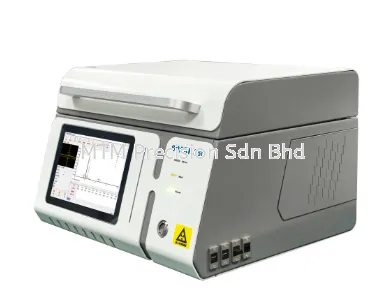
When approved project coordinates are available, the Topcon LN-60 Layout Navigator can help transfer these digital positions onto the physical construction site.
For Malaysian steel structure contractors performing repetitive setting-out, this provides a practical construction-focused digital layout workflow.
Why Steel Structure Positioning Matters
Steel components are fabricated according to defined dimensions.
Once they arrive on site, they need to match the constructed foundation and anchor system.
A positioning error can create problems such as:
Anchor Bolts Do Not Match Base Plate
Steel Column Cannot Be Installed Correctly
Column Position Is Offset
Structural Grid Does Not Match
Modification Is Required On Site
Correcting these problems after fabrication and concrete work can be expensive.
This makes early positioning and verification important.
LN-60 for Structural Grid Layout
Most steel structures are organised around an engineering grid.
For example:
Grid A / B / C / D
and:
Grid 1 / 2 / 3 / 4
Column positions may be defined by the intersections of these grids.
With suitable project control and approved coordinates, these positions can be prepared for digital field layout.
The LN-60 operator can then work systematically from one required point to the next.
Column Centre Layout
Before foundation or anchor bolt work begins, column centre positions may need to be established.
A digital workflow can look like:
Approved Column Coordinate
↓
Select Point
↓
LN-60 Guides Operator
↓
Mark Physical Position
↓
Verify
For repetitive steel structures, clear point naming can make this workflow easier.
For example:
COL-A01
COL-A02
COL-B01
COL-B02
is more meaningful in the field than a long list of unrelated point numbers.
Anchor Bolt Layout
Anchor bolt positioning is one of the strongest potential LN-60 applications for steel structure contractors.
Imagine a project containing:
100 Steel Columns
with:
4 Anchor Bolts Per Column
That produces:
400 individual bolt positions.
A coordinate-based workflow allows these points to be organised and laid out systematically.
Instead of repeatedly deriving every bolt position from manual dimensions, the contractor can work from prepared coordinates.
Anchor Bolt Group Layout
Anchor bolts are often installed as groups.
For example:
Column C15
C15-B1
C15-B2
C15-B3
C15-B4
The operator can locate each required position according to the project data.
This can also help make site records and checking more systematic.
Anchor Bolt Templates
Many steel projects use templates to maintain bolt spacing.
The LN-60 can help establish the required project position for the bolt group or suitable reference points.
However, the physical template still needs to be:
Correctly fabricated
Correctly installed
Securely supported
Checked before concrete work
Digital positioning does not correct a badly fabricated bolt template.
Check Before Concrete Pouring
This is critical.
Anchor bolts can move after initial setting-out.
Possible causes include:
Reinforcement installation
Template movement
Worker activity
Vibration
Concrete placement
Therefore, do not assume:
Correct Initial Layout = Guaranteed Final Bolt Position
A stronger QA/QC workflow is:
Layout
↓
Install Bolt / Template
↓
Check
↓
Secure
↓
Verify Before Pour
↓
Concrete
↓
Final Verification Where Required
Base Plate Positioning
Steel column base plates must relate correctly to the anchor bolt system and structural grid.
Suitable reference positions can be established to help contractors check where the base assembly should be located.
However, final steel installation requirements should always follow the approved structural drawings, engineer's requirements and erection procedures.
Steel Column Erection
During steel erection, positioning does not end when the anchor bolts are installed.
The contractor may need to check:
Column position
Structural grid relationship
Base position
Erection references
The LN-60 can support suitable coordinate-based positioning work.
But final column verticality, alignment and structural acceptance may require additional surveying procedures.
Layout vs Steel Column Verticality
These are related but different tasks.
Construction Layout
Answers:
“Where should this column be?”
Verticality / Alignment Check
Answers:
“Is the erected column correctly aligned and vertical?”
Do not assume one construction positioning workflow automatically replaces every steel erection survey procedure.
The correct measurement method should be selected for the required tolerance and task.
LN-60 for Steel Fabrication?
The LN-60 is primarily a field construction layout solution.
It should not be confused with specialised fabrication measurement equipment used inside a steel fabrication workshop.
Its strength is transferring known project positions into the construction environment.
One-Person Anchor Bolt Layout
Traditional stake-out can require one person operating the instrument and another working with the prism.
The LN-60 is designed around a simplified one-person workflow.
The operator can work from the prism/controller position and navigate toward the selected coordinate.
For a project containing hundreds of bolt positions, reducing repeated two-person communication can improve productivity.
Guide Light for Field Navigation
The LN-60's Guide Light provides directional assistance to the prism operator.
Together with TopLayout and the controller, the workflow becomes:
Select Bolt
↓
Move
↓
Follow Guidance
↓
Approach Coordinate
↓
Mark
↓
Next Bolt
This is where the LN-60's construction-focused design becomes useful.
Steel Structure Projects Can Have Good Visibility
During early construction, steel structure sites can sometimes provide relatively open lines of sight.
This can make optical construction positioning practical.
However, visibility changes as:
Steel columns are erected
Bracing is installed
Materials accumulate
Machinery enters the site
Walls are constructed
Instrument positioning should therefore change with the construction stage.
Working Range
The Topcon LN-60 has a published measuring range of approximately:
0.9–130 m
with the specified compatible prism under specified conditions.
This can provide a potential working diameter of up to approximately:
260 m
from an appropriate setup.
For many steel structure work zones, this can provide useful coverage.
But:
Maximum Range ≠ Best Setup Distance
Choose instrument positions according to control, visibility, stability and project accuracy requirements.
Self-Leveling for Large Steel Sites
A large steel structure project may require multiple setups.
The LN-60's self-leveling function helps simplify the leveling stage after relocation.
But every time the instrument moves:
Re-establish Position / Orientation
and:
Verify Against Known Project Information
before continuing critical layout.
Wrong Coordinate = Wrong Steel Position
Digital layout can improve productivity, but data control becomes extremely important.
Before starting, verify:
Latest structural drawing
Correct grid
Correct foundation
Correct column
Correct bolt coordinates
Correct project revision
If the steel design changes but the old coordinate file remains on the controller, the LN-60 cannot automatically know that the data is obsolete.
Check Independent Known Points
Before laying out hundreds of anchor bolts, verify the setup against suitable known project information.
This can help detect:
Wrong control
Wrong orientation
Wrong project
Wrong coordinate file
Setup error
Finding the problem after the first check point is much better than finding it after 300 bolts have been marked.
LN-60 vs Total Station for Steel Structure Work
Consider Topcon LN-60 When:
Your main requirement is:
Repetitive construction layout
Anchor bolt positioning
Column centre points
Base reference positions
Simple one-person stake-out
Consider a Topcon Total Station When:
You require broader professional surveying work such as:
Control surveys
Traversing
Detailed engineering surveys
Advanced verification
Broader measurement applications
For larger contractors, both can work together.
Practical Division of Work
A strong workflow can be:
Survey Team + Total Station
→ Establish and verify project control.
Engineering Team
→ Prepare approved structural coordinates.
Steel Contractor + LN-60
→ Perform suitable repetitive construction layout.
Survey / QA Team
→ Verify critical structural positions.
This allows routine positioning work to be handled efficiently without removing professional control.
Steel Structure Contractor ROI
The LN-60 becomes commercially interesting when a contractor regularly handles:
Many Columns
Many Anchor Bolts
Repeated Steel Projects
Digital Coordinate Data
A contractor laying out hundreds of structural positions every month can potentially obtain much greater equipment utilisation than a company performing occasional setting-out.
Don't Buy Based Only on One Project
If evaluating ROI, consider future applications too.
The same LN-60 may potentially support suitable layout for:
Factory construction
Warehouse construction
Data centres
Commercial buildings
M&E
Equipment foundations
Other steel structure projects
Higher utilisation improves the investment case.
Topcon LN-60 for Steel Structure Construction Malaysia
For Malaysian steel structure contractors, the Topcon LN-60 Layout Navigator can provide a practical method for transferring approved structural coordinates into physical construction positions.
Its strongest applications can include:
Column Centres
Anchor Bolts
Base Plate Reference Positions
Structural Grids
Foundation Points
Erection Reference Layout
The main value is not simply measurement.
It is creating a repeatable digital construction workflow:
Coordinate → Navigate → Position → Mark → Verify
MTM Precision can help contractors evaluate whether the Topcon LN-60 or a Topcon Total Station better matches the actual steel structure project requirement.
Contact MTM Precision
MTM Precision Sdn. Bhd.
Showroom & Service Centre
No. 29-1 & 29-2, Jalan Bandar 18,
Pusat Bandar Puchong,
47160 Puchong, Selangor, Malaysia
🌐 Website: www.mtmpre.com.my
📧 Email: mtmpre@yahoo.com
📱 WhatsApp: +6016-660 7346
Meta Description:
Topcon LN-60 for steel structure construction Malaysia. Digital layout for anchor bolts, column centres, base plate references, structural grids and steel erection positioning.
30 Aug 2026


