





How to Locate Underground Metallic Pipes Before Excavation Malaysia

How to Locate Underground Metallic Pipes Before Excavation Malaysia
How Do You Find an Underground Metal Pipe Before Digging?
Before excavation, the safest practical approach is not to look for only one point. You should establish the route of the underground metallic pipe across the full work area.
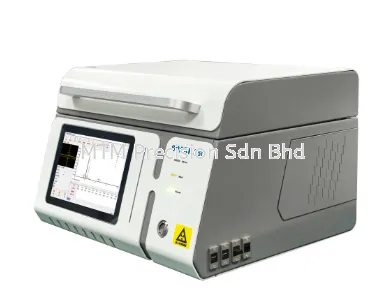
The FUZRR ES7080 Underground Utilities Locator is designed for underground metallic pipeline and cable locating, including route detection, pipeline survey and depth measurement.
A good pre-excavation workflow is:
SEARCH THE AREA
↓
FIND CANDIDATE PIPE ROUTES
↓
APPLY A TARGET SIGNAL WHERE POSSIBLE
↓
TRACE THE ROUTE
↓
VERIFY THE TARGET
↓
MEASURE DEPTH
↓
MARK BEFORE EXCAVATION
The key point is:
DO NOT TREAT ONE DETECTED POINT AS A COMPLETE UTILITY SURVEY.
1. First Confirm That the Target Is Metallic
The ES7080 is intended for underground metallic pipelines and cables.
Typical conductive targets may include suitable:
steel pipes,
cast-iron pipes,
metal service lines,
industrial metallic pipelines
and other buried conductive utilities.
But ordinary non-conductive:
PVC,
HDPE,
PE
or similar plastic pipes are not directly located in the same way unless a suitable conductive tracer or other locating target is present.
So before choosing the locating method, ask:
WHAT IS THE PIPE MADE OF?
2. Why Metallic Pipes Can Be Located
A metallic pipe can carry or respond to an electromagnetic locating signal.
Conceptually:
RECEIVER ↓ │ ──────────────────────── Ground ))) FIELD ((( Metal Pipe ━━━━━━━━━━━━━━━━━━━
The receiver follows the electromagnetic field associated with the pipe.
It does not “see” the pipe underground like a camera.
3. Before Excavation, Survey the Whole Work Area
Suppose excavation will cover:
┌─────────────────────────────┐ │ │ │ EXCAVATION AREA │ │ │ └─────────────────────────────┘
Do not only scan the centre.
An underground pipe may:
cross one edge,
run parallel to the trench,
enter diagonally,
turn inside the work area,
or:
branch near the excavation.
Therefore, the first stage should be an area survey, not a point check.
4. Start With Available Drawings, But Do Not Depend on Them Alone
Utility drawings can help estimate:
possible pipe corridors,
entry points,
valve locations,
building connections
and:
historic routes.
But drawings may be:
old,
incomplete,
not accurately scaled,
or:
not updated after modifications.
So treat drawings as:
A STARTING REFERENCE
rather than:
FINAL PROOF OF PIPE POSITION.
5. What If the Pipe Route Is Completely Unknown?
Then begin with regional exploration.
A completely unknown site might look like this:
? ? ? ?
Your first objective is not yet:
“Which exact pipe is this?”
Your first objective is:
“WHAT CONDUCTIVE UNDERGROUND ROUTES ARE PRESENT?”
This is where broader search methods are useful.
6. Passive Regional Search Can Reveal Candidate Utilities
The ES7080 receiver supports passive power-frequency detection and passive RF detection.
Passive Power modes include:
50Hz
60Hz
250Hz
These are especially useful for detecting operating electrical utilities, but metallic pipelines may also carry induced power-frequency current.
So if passive response appears over a pipe-like route:
DO NOT ASSUME IT MUST BE AN ELECTRICAL CABLE.
Another conductive utility may also show a response.
7. Use a Grid Search Pattern
For a broad excavation area:
↑ ↑ ↑ ↑ │ │ │ │ ↓ ↓ ↓ ↓ ←────────────────────→ ↑ ↑ ↑ ↑ │ │ │ │ ↓ ↓ ↓ ↓
Search systematically.
When you detect a repeatable response:
mark it,
cross it from another direction,
follow it,
and search for additional weaker routes.
This is more reliable than walking randomly around the site.
8. Search Again for Weaker Utilities
After strong routes are found, the ES7080 manual indicates that gain can be increased and the area searched again for weaker pipelines.
This matters because the first pass may reveal only:
a shallow utility,
a strongly energized conductor
or:
a better-coupled pipeline.
A deeper or weaker metallic pipe may still be present.
9. Passive RF Adds Another Search Channel
If Power mode does not reveal all useful routes, passive RF can provide another exploratory method.
So an initial search can be:
POWER PASSIVE
↓
RF PASSIVE
↓
MARK ALL REPEATABLE ROUTES
But neither mode tells you automatically:
pipe type,
ownership,
contents
or:
whether it is your target.
10. If a Known Metallic Pipe Is Accessible, Use a More Selective Active Signal
Once you know the target and have a suitable accessible metallic point, an active method can improve selectivity.
The ES7080 transmitter supports:
Direct Connection
Clamp Coupling
Induction.
Where conditions permit, Direct Connection generally gives the strongest target current.
The manual states that Direct Connection should be used as far as possible where suitable.
11. Why Direct Connection Is Valuable Before Excavation
Imagine:
Metal Pipe A ━━━━━━━━━━━━━━━━━ Metal Pipe B ━━━━━━━━━━━━━━━━━ Cable C ━━━━━━━━━━━━━━━━━
If you apply the locating signal directly to Pipe B, you improve target selectivity.
That gives you a better chance of tracing:
PIPE B
rather than simply following whichever utility produces the strongest signal.
12. Direct Connection Is Not Just About Signal Strength
The real advantage is:
TARGET CONTROL.
When the target is known and accessible, Direct Connection can reduce ambiguity.
This is especially important before excavation where a wrong-route mark can have serious consequences.
13. Clamp Coupling Can Be an Alternative
Where a suitable accessible conductor can be enclosed by the transmitting clamp, Clamp Coupling may also be used.
The ES7080 transmitter clamp specification is approximately:
φ125mm internal diameter.
Actual suitability depends on the geometry, target and site conditions.
The manual's detailed clamp guidance is more cable-oriented, so use it on metallic pipe installations only where the physical conditions are appropriate and confirmed.
14. Induction Is Useful When the Pipe Has No Exposed Point
The manual specifically describes Induction for cases where:
the pipeline has no exposed point,
and particularly for exploration before excavation.
This makes it highly relevant to unknown underground metallic pipe searches.
Conceptually:
TRANSMITTER ↓ [ TX ] ──────────────────────── Ground Metal Pipe A ━━━━━━━━━━━━━━━━ Metal Pipe B ━━━━━━━━━━━━━━━━
No physical connection to the target is required.
15. But Induction Is Less Selective
Induction can energize nearby conductive utilities.
That means:
Pipe A ━━━━━━━━━━━━━━━━━ Pipe B ━━━━━━━━━━━━━━━━━ Cable C ━━━━━━━━━━━━━━━━━
may all show some response.
Therefore:
INDUCTION HELPS DISCOVER ROUTES
but:
IT DOES NOT AUTOMATICALLY PROVE WHICH ROUTE IS THE TARGET PIPE.
16. ES7080 Induction Frequencies
Induction Mode supports:
32.7kHz
81.9kHz
197kHz.
The general lower active frequencies are not Induction frequencies.
So:
DO NOT USE 3.20kHz AS AN ES7080 INDUCTION FREQUENCY.
17. Induction and Overall Depth Range Are Different Specifications
The ES7080 specifies a pipeline measurement-depth range of:
0–20m.
The manual separately describes Induction as suitable for cables buried below approximately:
2m.
These should not be combined into a claim that Induction detects every buried metallic pipe at 20m.
18. Choose Frequency According to the Pipe and Route
The ES7080 provides 11 active frequencies:
640Hz
1.28kHz
2.56kHz
3.20kHz
4.09kHz
8.19kHz
10.2kHz
32.7kHz
65.6kHz
81.9kHz
197kHz.
For long-distance pipeline tracking, lower frequencies in the:
640Hz–3.20kHz
range can be useful where suitable.
For more general pipeline work:
8.19kHz
may also be considered.
For higher-resistance targets, higher frequencies may be needed.
19. Lower Frequency Can Improve Selectivity
Lower frequency generally:
travels farther,
couples less readily onto neighboring utilities,
and can be useful on longer metallic routes.
Higher frequency:
couples more easily
but can also spread more readily onto adjacent conductors.
Therefore:
USE THE LOWEST SUITABLE FREQUENCY THAT PROVIDES A RELIABLE TARGET RESPONSE.
20. Do Not Automatically Use the Highest Frequency
Before excavation, many operators think:
“I want the strongest possible signal, so I will use the highest frequency.”
That can create more unwanted coupling.
A very strong signal on the wrong utility is not useful.
The objective is:
RELIABLE TARGET ROUTE
not:
MAXIMUM SIGNAL BAR.
21. Trace the Pipe Continuously
Once a pipe route is detected:
●──────●──────●──────●──────●
follow it point by point.
Do not detect:
Point A ●
and then jump 50m to:
Point B ●
and assume a straight pipe between them.
A real underground pipe may:
bend,
turn,
branch
or:
change depth.
22. Use Wire Cruise for Continuous Route Following
The ES7080 includes:
Wire Cruise Mode
which supports continuous route following and real-time information.
It also has:
Classic Positioning Mode.
A practical approach is:
Wire Cruise for continuity,
Classic Positioning for confirmation points.
23. Wide Peak Is Useful for General Pipeline Tracing
Wide Peak provides a broader, more sensitive response.
This makes it useful for:
initial route tracing,
longer-distance following
and:
recovering a weaker pipe signal.
Think:
WIDE PEAK = FIND & FOLLOW
24. Narrow Peak Helps With Parallel Pipelines
Suppose:
Pipe A ━━━━━━━━━━━━━━━━━━━ Pipe B ━━━━━━━━━━━━━━━━━━━ Pipe C ━━━━━━━━━━━━━━━━━━━
Narrow Peak has a steeper response and is useful for separating parallel pipelines.
Think:
NARROW PEAK = SEPARATE & REFINE
But even Narrow Peak does not tell you which pipe carries water, gas or another service.
25. Strongest Signal Does Not Mean Correct Pipe
Suppose:
Shallow Pipe A ━━━━━ 0.6m Target Pipe B ━━━━━ 1.5m
Pipe A may produce a stronger receiver response simply because it is shallower.
Therefore:
STRONGEST SIGNAL ≠ TARGET
This is one of the most important rules in congested utility areas.
26. Compare Pipeline Current
The ES7080 measures pipeline current over:
0–1A.
This gives the operator another parameter to compare.
If one route suddenly becomes stronger but its current behaviour differs from the established target, investigate before continuing.
27. Use Current Direction Where Applicable
Current Direction Determination is available at:
640Hz
1.28kHz
2.56kHz
3.20kHz.
It is designed to help distinguish the calibrated target from adjacent-line interference.
This can be especially useful where a metallic pipe runs parallel to:
another pipe,
a cable,
or:
a conductive structure.
28. Calibrate on a Known Target Section
The manual recommends Current Direction calibration approximately:
5–10m from the transmitter
on the known target and outside the immediate transmitter interference area.
A practical sequence is:
TX ●━━━━━━ 5–10m ━━━━━●━━━━━━━━━━━━→ ↑ CALIBRATE HERE
Then trace into the excavation area.
29. Use Signal Distortion Measurement in Congested Areas
The ES7080 includes:
Signal Distortion Measurement Mode.
In a clean field, Peak and Sound Valley should approximately coincide.
If:
PEAK VALLEY ↓ ↓ ──●────────────────────●──
the field may be distorted.
Possible causes include nearby conductive utilities or complicated geometry.
Do not mark the apparent centreline without further checks.
30. Pipe Turns and Branches Can Change the Signal
A metallic pipeline network may contain:
━━━━━ Branch │ ━━━━━━━━┼━━━━━━━━ Main │
At a branch:
current can divide,
signal strength can change,
and:
field geometry can become more complicated.
So a sudden signal change does not automatically mean:
“The pipe disappeared.”
It may be a junction.
31. Trace Beyond the Excavation Boundary
Suppose the excavation is:
WORK AREA ┌──────────────────────┐ │ │ │ Pipe → │ │ │ └──────────────────────┘
Trace the pipe beyond the boundary:
●────●────┌────────────┐────●────● │ WORK AREA │ └────────────┘
Why?
Because route confirmation on both sides helps prove:
direction,
continuity
and:
whether you stayed on the same target.
32. Do Not Mark Only the Pipe Centreline
For excavation planning, useful field marking may include:
route centreline,
direction arrows,
depth reference points,
junctions,
crossings
and:
areas of uncertainty.
The final marking method should follow the site's own utility and safety procedures.
33. Measure Depth Only After the Route Is Verified
The ES7080's specified pipeline measurement-depth range is:
0–20m.
But the correct sequence is:
TARGET
↓
ROUTE
↓
CENTRELINE
↓
DEPTH
A depth measurement on the wrong pipe can appear precise but still be useless.
34. Automatic Depth Should Be Treated as a Reference
For stricter pipeline exploration, the manufacturer's manual says automatic real-time depth should be treated as a reference.
The manual also provides:
Sound Valley 45°
and
Wide Peak 80%
manual depth methods.
35. Use the 0.5m Verification Check
Suppose ground-level depth is:
1.30m
Raise the receiver approximately:
0.50m
and repeat.
If the reading becomes approximately:
1.80m
the result is more credible according to the manufacturer's verification procedure.
36. Avoid Depth Measurement Near a Tee or Bend
The manual recommends avoiding important depth measurements near:
turns
and:
T-connections
and moving approximately:
5m away where possible.
This is particularly relevant for pipe systems because branches are common.
37. Example: Factory Expansion Excavation
A factory plans to build a new extension.
Old drawings indicate a metallic water line somewhere across the planned footing area.
Practical workflow:
STEP 1 — REVIEW DRAWINGS
STEP 2 — PASSIVE AREA SEARCH
STEP 3 — MARK ALL CANDIDATE ROUTES
STEP 4 — FIND AN ACCESSIBLE METALLIC PIPE POINT
STEP 5 — APPLY SELECTIVE ACTIVE SIGNAL WHERE SUITABLE
STEP 6 — TRACE WITH WIDE PEAK
STEP 7 — USE NARROW PEAK AROUND PARALLEL UTILITIES
STEP 8 — MONITOR CURRENT
STEP 9 — USE CURRENT DIRECTION WHERE APPLICABLE
STEP 10 — CHECK DISTORTION
STEP 11 — TRACE BEYOND THE FOUNDATION AREA
STEP 12 — VERIFY DEPTH
STEP 13 — MARK THE FULL ROUTE
38. Example: Unknown Metallic Pipe Before Trenching
Suppose a contractor only knows:
“There may be an old metal pipe somewhere in this corridor.”
No access point is visible.
A practical approach is:
REGIONAL SEARCH
↓
PASSIVE POWER / RF
↓
INDUCTION WHERE APPROPRIATE
↓
MARK CANDIDATE ROUTES
↓
TRACE EACH ONE
↓
SEARCH FOR VALVES / RISERS / EXPOSED POINTS
↓
MOVE TO SELECTIVE ACTIVE LOCATING IF POSSIBLE
↓
VERIFY
↓
DEPTH
↓
MARK
39. Example: Parallel Water and Electrical Utilities
Suppose:
Water Pipe ━━━━━━━━━━━━━━━━━ Power Cable ━━━━━━━━━━━━━━━━━ Metal Pipe ━━━━━━━━━━━━━━━━━
All may show some electromagnetic response.
Do not decide based on signal amplitude alone.
Use:
ROUTE CONTINUITY
TARGET CONNECTION
PIPELINE CURRENT
CURRENT DIRECTION
NARROW PEAK
SIGNAL DISTORTION
and available site information.
40. Common Mistake — Searching Only the Excavation Point
A buried pipe is a route.
It can approach the excavation from outside the immediate area.
Always survey the complete work corridor.
41. Common Mistake — Assuming Every Pipe Is Detectable
Ask about material.
Metallic pipe?
Potentially suitable.
Plain PVC or HDPE without tracer?
Not directly located using the same electromagnetic method.
42. Common Mistake — Using Induction as Proof of Target Identity
Induction is excellent for exploration when no access exists.
But nearby conductive utilities can also receive signal.
Treat Induction findings as candidate routes until further verified.
43. Common Mistake — Following the Strongest Signal
The shallowest or best-coupled utility may be strongest.
Verify the target rather than simply following the biggest receiver reading.
44. Common Mistake — Using Maximum Power Immediately
The ES7080 transmitter provides up to:
15W
with:
9 output levels.
More output is not automatically better.
Excessive output can increase unwanted coupling and make interpretation more difficult.
Use enough signal for reliable tracing.
45. Common Mistake — Using the Highest Frequency Automatically
Higher frequency may couple more easily onto the target—but also onto neighboring conductive utilities.
Use frequency strategically.
46. Common Mistake — Treating 20m as Guaranteed Detection Depth
The ES7080's:
0–20m
figure is a specified pipeline measurement-depth range.
It is not a guarantee that every metallic pipe can always be located at 20m.
47. Common Mistake — Measuring Depth at the First Signal
Confirm:
target,
route,
centreline
and:
field quality
before measuring depth.
48. Common Mistake — “No Signal Means No Pipe”
No locating method can guarantee that every buried utility will be detected under every condition.
If the excavation risk is significant, use appropriate supplementary utility-verification and safe-work procedures.
Quick Guide: Metallic Pipe Locating Before Excavation
SituationPractical ApproachKnown accessible metallic pipeDirect Connection where suitableKnown target but no direct connectionClamp Coupling if appropriateNo exposed target pointInduction explorationCompletely unknown areaPassive regional search firstLong metal pipeConsider lower suitable frequencyHigh-resistance pipeConsider higher suitable frequencyMultiple parallel utilitiesNarrow Peak + verificationSignal jumps between routesCurrent + Current DirectionPeak/Valley disagreeCheck Signal DistortionNeed depthVerify target and centreline firstPVC/HDPE onlyNot normal direct electromagnetic target
Frequently Asked Questions
Can ES7080 locate underground metallic pipes before excavation?
Yes. Metallic pipeline locating is one of the manufacturer's stated ES7080 applications.
Which method is best for an accessible metal pipe?
Where suitable, Direct Connection generally provides the strongest target current and better selectivity. The manual recommends it as far as possible where conditions allow.
Can ES7080 find a pipe with no access point?
Induction can be used for exploratory locating when a pipeline has no exposed point.
Can it locate PVC or HDPE pipe?
Not directly as a normal non-conductive electromagnetic target unless there is a suitable conductive tracer or another appropriate locating method.
Can ES7080 tell whether the pipe contains water or gas?
No. It locates a conductive route; it does not determine pipe contents.
Can it tell me who owns the pipe?
No. Utility ownership requires separate confirmation.
How deep can ES7080 measure a metallic pipeline?
The manufacturer specifies a pipeline measurement-depth range of 0–20m, subject to actual locating conditions.
Can I use the strongest signal as the pipe position?
Not by itself. Nearby conductive utilities may produce stronger responses. Confirm route, current, direction and field behaviour.
The Most Important Lesson
Before excavation, the question should not be:
“Can I detect a metal pipe somewhere here?”
It should be:
“CAN I ESTABLISH THE COMPLETE PIPE ROUTE THROUGH THE WORK AREA AND VERIFY THAT I AM FOLLOWING THE CORRECT TARGET?”
The professional sequence is:
AREA SEARCH
↓
CANDIDATE ROUTES
↓
TARGET SIGNAL
↓
CONTINUOUS TRACE
↓
CURRENT / DIRECTION CHECK
↓
DISTORTION CHECK
↓
CENTRELINE
↓
DEPTH
↓
MARK
↓
EXCAVATION SAFETY PROCEDURE
The FUZRR ES7080 is therefore useful not just for electrical cable work, but also for locating suitable underground metallic pipelines before:
trenching,
earthworks,
foundation excavation,
road cutting
and other ground-disturbance activities.
DON'T FIND ONLY A POINT. FIND THE PIPE ROUTE BEFORE THE EXCAVATOR DOES.
Contact MTM Precision
For FUZRR ES7080 Underground Utilities Locator Malaysia, quotation, technical information and product demonstration:
MTM Precision Sdn Bhd
No. 29-1 & 29-2, Jalan Bandar 18,
Pusat Bandar Puchong,
47160 Puchong, Selangor, Malaysia
Website: www.mtmpre.com.my
WhatsApp: +6016-660 7346
Email: mtmpre@yahoo.com
05 Sep 2026


