





FUZRR ES7080 Underground Utilities Locator Review Malaysia

FUZRR ES7080 Underground Utilities Locator Review Malaysia
Is the FUZRR ES7080 Worth Considering for Professional Underground Cable & Pipe Locating?
The FUZRR ES7080 Underground Utilities Locator is not positioned as a simple entry-level cable finder.
Its main advantage is the combination of:
11 active locating frequencies,
passive Power and RF detection,
Direct Connection, Clamp Coupling and Induction,
Wide Peak, Narrow Peak and Sound Valley,
Wire Cruise,
Current Direction,
Signal Distortion Measurement,
real-time current and depth measurement,
1–20 cable identification
and optional:
A-frame ground-fault detection.
Based on the manufacturer's specifications and operating manual, the ES7080 is best suited to users who need to do more than answer:
“Is there a cable somewhere here?”
Its stronger use case is:
SEARCH → TRACE → VERIFY → IDENTIFY → MEASURE
for underground cables and suitable metallic pipelines.
1. FUZRR ES7080 Review — Quick Verdict
Best suited for:
Electrical contractors
Utility maintenance teams
Factory maintenance
Civil contractors
Roadworks
Solar farms
Industrial plants
Data-centre construction
Underground utility survey work
and users dealing with:
multiple or parallel underground cables.
Main strengths:
11 active frequencies
3 active signal methods
Current Direction
Signal Distortion Measurement
Cable identification
Wire Cruise
0–20m specified depth-measurement range
Optional A-frame fault search
Important limitations:
It does not identify utility ownership automatically.
It does not directly detect ordinary non-conductive plastic pipe without a suitable conductive tracer.
Induction is specified for cables buried below 2m.
Live cable identification is limited by the manufacturer to three-core armored cables.
A-frame is optional and is not a universal cable-fault detector.
A locator does not replace safe excavation procedures.
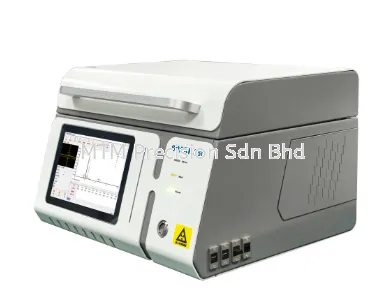
2. What Exactly Is the FUZRR ES7080?
The ES7080 consists primarily of:
TRANSMITTER + RECEIVER
with accessories for different locating methods.
Conceptually:
TRANSMITTER
    │
    │ applies locating signal
    ▼
━━━━━━━━━━━━━━━━━━━━ Target Cable / Pipe
              ▲
              │ detects signal
              │
           RECEIVER
The manufacturer positions the instrument for:
pipeline path detection,
cable identification,
fault search,
pipeline survey
and:
depth measurement.
3. ES7080 Is More Than an Underground Cable Detector
A basic locator might provide:
SIGNAL
  ↑
  │
 Cable
The ES7080 adds several layers of interpretation:
Where is the route?
        ↓
Which direction?
        ↓
Which cable?
        ↓
Is there adjacent-line coupling?
        ↓
Is the field distorted?
        ↓
How deep is it?
This is the main reason ES7080 is more interesting for professional users than a very basic locator.
4. Feature Review — 11 Active Frequencies
The ES7080 provides the following active frequencies:
640Hz
1.28kHz
2.56kHz
3.20kHz
4.09kHz
8.19kHz
10.2kHz
32.7kHz
65.6kHz
81.9kHz
197kHz.
This is one of the strongest specifications of the ES7080.
5. Why So Many Frequencies Matter
Different frequencies behave differently.
In general:
LOWER FREQUENCY
tends to provide:
longer propagation
and:
less unwanted coupling onto nearby utilities.
While:
HIGHER FREQUENCY
can couple more easily to difficult or higher-resistance targets but may also couple more readily onto adjacent conductors.
So frequency selection is not:
“Which frequency is strongest?”
It is:
“WHICH FREQUENCY GIVES THE CLEANEST USABLE TARGET RESPONSE?”
6. 3.20kHz Is a Useful General Starting Point
The manufacturer's operating information uses:
3.20kHz
as a practical default in cable-identification work and it is a useful general active cable-locating starting point under suitable conditions.
For longer cable routes, lower frequencies may be preferable.
For more difficult high-resistance targets, higher frequencies may become useful.
7. Feature Review — Passive Detection
The receiver can operate without the transmitter.
Passive Power modes include:
50Hz
60Hz
250Hz.
The receiver also provides passive RF detection.
This is important because sometimes the user arrives at a site and genuinely does not know:
WHERE THE CABLE IS.
8. Passive Search Is the Correct Starting Point for an Unknown Area
Imagine:
      UNKNOWN SITE

──────────────────────── Ground

 ?        ?        ?        ?
There is no obvious point above which to place the transmitter.
A sensible first step is:
REGIONAL PASSIVE SEARCH
The operator searches systematically for repeatable linear responses.
Once candidate routes are established, active locating can provide better target control where suitable.
9. Important Passive-Mode Limitation
A Power-mode response does not automatically mean:
“THIS IS DEFINITELY AN ELECTRICAL CABLE.”
A metallic pipeline can carry induced power-frequency current.
Likewise, the locator cannot automatically tell whether a detected underground cable belongs to:
TNB,
a factory,
a building owner
or another party.
Ownership requires external verification.
10. Feature Review — Three Transmitter Methods
The ES7080 provides:
1. DIRECT CONNECTION
2. CLAMP COUPLING
3. INDUCTION.
This makes the system adaptable to different site conditions.
11. Direct Connection Review
Where an appropriate direct connection can safely be established, this is generally the most selective method.
The manufacturer's manual describes Direct Connection as providing maximum transmitting current.
General cable detection scope is stated as:
0–20km
depending mainly on:
grounding resistance,
cable resistance
and:
buried depth.
This should not be interpreted as guaranteed 20km performance on every cable.
12. Direct Connection — Main Advantage
Suppose:
Cable A ━━━━━━━━━━━━━━━━━━━

TARGET  ━━━━━━━━━━━━━━━━━━━

Cable C ━━━━━━━━━━━━━━━━━━━
If a locating signal can be applied specifically to the target:
TARGET SELECTIVITY IMPROVES.
For professional cable locating, this can be more important than simply having a very strong signal.
13. Clamp Coupling Review
The ES7080 transmitter also supports Clamp Coupling.
The transmitting clamp has an internal diameter of approximately:
φ125mm.
The general Coupling detection scope is stated as:
0–10km
depending on grounding resistance, cable resistance and buried depth.
14. Clamp Coupling — Main Advantage
The signal is applied inductively around an accessible cable rather than through direct electrical conductor connection.
Under suitable conditions this can be useful for:
operating cable systems,
accessible cable chambers
and:
maintenance applications.
But cable grounding and configuration affect coupling effectiveness.
15. Induction Review
Induction requires no physical target connection.
The transmitter can be positioned over the expected route.
This makes it useful for:
exploration,
approximate route searching
and:
situations without an accessible connection point.
But Induction is less selective because nearby conductive utilities may also receive the signal.
16. Important ES7080 Induction Specification
Induction supports:
32.7kHz
81.9kHz
197kHz
and the manufacturer's specification states it is suitable for cables buried:
LESS THAN 2m.
Therefore:
3.20kHz IS NOT AN ES7080 INDUCTION FREQUENCY.
This is an important detail for anyone evaluating or training on the instrument.
17. Feature Review — Wide Peak
The ES7080 provides:
WIDE PEAK
as one of its locating methods.
Wide Peak offers a broad and sensitive response.
Best way to think about it:
WIDE PEAK = FIND & FOLLOW
Useful for:
initial target acquisition,
general route tracing
and:
recovering weaker signals.
18. Feature Review — Narrow Peak
Narrow Peak gives a steeper locating response.
Best positioning:
NARROW PEAK = SEPARATE & REFINE
For example:
Cable A ━━━━━━━━━━━━━━━━━

Target  ━━━━━━━━━━━━━━━━━

Cable C ━━━━━━━━━━━━━━━━━
Narrow Peak can help distinguish nearby routes.
This becomes particularly valuable in congested utility corridors.
19. Feature Review — Sound Valley
Sound Valley provides another centreline method.
In a relatively clean field:
       PEAK
         ↓
─────────●─────────
         ↑
       VALLEY
Peak and Valley should correspond around the same route.
If they do not:
THE FIELD MAY BE DISTORTED.
This leads to one of the more advanced ES7080 features.
20. Feature Review — Signal Distortion Measurement
The ES7080 includes:
SIGNAL DISTORTION MEASUREMENT MODE.
This is a significant professional feature.
The manufacturer explains that in an undistorted field:
Peak and Valley positions should coincide
and:
the field should appear symmetrical around the pipeline centreline.
21. Why Signal Distortion Is Important
Imagine:
TRUE CABLE
    ↓
━━━━●━━━━━━━━━━━━━━━━
but a nearby conductor distorts the field:
TRUE       APPARENT
 ↓             ↓
 ●─────────────●
A basic locator operator may simply mark the strongest position.
Signal Distortion Mode encourages the operator to ask:
“IS THIS FIELD CLEAN ENOUGH TO TRUST?”
That is a valuable capability.
22. Feature Review — Wire Cruise
Wire Cruise provides:
360° omnidirectional route indication,
continuous depth,
current
and:
relative pipeline position.
This makes it useful for longer route tracing.
Conceptually:
START
 ●━━━━●━━━━●━━━━●━━━━●━━━━●
                              END
Rather than repeatedly stopping to re-establish direction, the operator can continuously follow the utility.
23. Feature Review — Classic Positioning
Classic Positioning provides:
compass information,
direction
and:
signal amplitude.
This is useful for more deliberate point-by-point locating and route verification.
The combination of:
CLASSIC POSITIONING + WIRE CRUISE
gives the operator two different workflows depending on the job.
24. Feature Review — Current Measurement
The receiver provides real-time current measurement.
Specified pipeline-current range:
0–1A.
Why is this useful?
Because signal strength alone can be misleading.
25. Strongest Signal Does Not Always Mean Target Cable
Suppose:
Target Cable       deeper
━━━━━━━━━━━━━━━━━━━━━━━━

Adjacent Cable     shallower
━━━━━━━━━━━━━━━━━━━━━━━━
The shallower adjacent cable may produce the stronger receiver response even when it is not the intended target.
Comparing current provides another clue.
26. Feature Review — Current Direction
This is arguably one of the most important ES7080 differentiators for congested cable routes.
The manufacturer describes Current Direction Determination as helping to:
calibrate current direction,
eliminate adjacent-line interference
and:
prevent tracking errors.
Supported frequencies include:
640Hz
1.28kHz
2.56kHz
3.20kHz
27. Why Current Direction Matters
Suppose:
TARGET     ━━━━━━━━━━━━━━━━━━━━━

ADJACENT   ━━━━━━━━━━━━━━━━━━━━━
Signal transfers from the target to the adjacent line.
Without additional verification, the operator may jump routes.
Current Direction gives another question:
“IS THE CURRENT BEHAVING LIKE THE TARGET I CALIBRATED?”
This can be very useful for:
factories,
substations,
solar farms,
data centres
and:
roadside utility corridors.
28. Current Direction Requires Proper Calibration
It is not simply an automatic “correct cable” indicator.
The target direction should first be calibrated on a known section, typically approximately:
5–10m from the transmitter
and outside the immediate transmitter interference zone.
Then the function becomes useful farther along the route.
29. Feature Review — Depth Measurement
The manufacturer's specification lists:
0–20m
as the pipeline measurement-depth range.
This is a strong specification on paper.
But it must be interpreted properly.
It does not mean:
“ES7080 GUARANTEES DETECTION OF EVERY CABLE AT 20m.”
Actual performance depends on signal, target configuration, grounding, interference and site conditions.
30. ES7080 Provides More Than One Depth Method
For stricter work, the manual does not recommend relying blindly on automatic depth.
It also provides:
Sound Valley 45° method
and:
Wide Peak 80% method.
This gives experienced users additional ways to verify depth.
31. The 0.5m Depth Verification Method Is Particularly Useful
One practical verification technique is:
Measure the depth normally.
Then:
raise the receiver approximately 0.5m.
Measure again.
If the displayed depth increases by approximately:
0.5m
confidence in the measurement improves.
This is a useful professional practice.
32. Depth Is Less Reliable Around Turns and Junctions
Avoid taking critical depth readings directly at:
━━━━━━━━━━┓
          ┃
or:
━━━━━━━━━━┳━━━━━━━━━━
          ┃
because electromagnetic field geometry may be distorted.
The manufacturer's guidance recommends moving around:
5m away where possible
before making important depth measurements.
33. Feature Review — Cable Identification
This is another area where ES7080 moves beyond basic route locating.
The manufacturer specifies:
1–20 CALIBRABLE CABLES
for cable identification.
This is useful when the route reaches:
a chamber,
cable room,
substation
or:
distribution area
containing several similar cables.
34. Route Tracing and Cable Identification Are Different
Route tracing answers:
“WHERE DOES THE CABLE RUN?”
Cable identification answers:
“WHICH PHYSICAL CABLE IS IT?”
Example:
Underground route
━━━━━━━━━━━━━━━━━━━━━
                    ↓
                 Chamber

                 ○ ○ ○ ○ ○
                     ↑
                   WHICH?
The ES7080 supports both tasks.
35. How ES7080 Cable Identification Works Conceptually
The system uses a flexible receiving current clamp.
Candidate cables are evaluated against the calibrated target.
The display marks:
√ — TARGET
and:
× — NON-TARGET.
This can be valuable for electrical maintenance and cable-management work.
36. Important Limitation — Live Cable Identification
The manufacturer explicitly states:
LIVE CABLE IDENTIFICATION IS ONLY APPLICABLE TO THREE-CORE ARMORED CABLES.
This is an important purchasing consideration.
If the customer's primary requirement is live identification of a different cable construction, suitability should be confirmed before purchase.
37. Feature Review — Metallic Pipeline Locating
Despite being frequently discussed as a cable locator, ES7080 is also designed for:
UNDERGROUND METALLIC PIPELINES.
This increases its usefulness for:
civil contractors,
factories,
utilities
and:
industrial maintenance teams.
38. But It Is Not a Universal Plastic Pipe Locator
Ordinary non-conductive:
PVC,
HDPE,
PE
without a suitable conductive tracer should not be presented as directly detectable like a metallic pipe.
The ES7080 works by detecting suitable electromagnetic signals associated with conductive targets.
39. Feature Review — Optional A-Frame Fault Detection
The receiver specifications include:
A-FRAME FAULT DETECTION — OPTIONAL.
The manual describes A-frame applications including:
insulated pipeline protective-layer damage,
ground faults on unarmored low-voltage cable
and:
high-voltage cable sheath faults, especially suitable single-core cable applications.
40. How the A-Frame Adds Value
Normal cable locating asks:
“WHERE DOES THE CABLE RUN?”
The A-frame asks:
“WHERE IS THE TEST SIGNAL LEAKING INTO THE EARTH?”
It uses a step-voltage principle.
This potentially gives ES7080 users:
ROUTE LOCATION + SUITABLE GROUND-FAULT PINPOINTING
in the same platform when the optional accessory is fitted.
41. A-Frame Has Important Limitations
It is not a universal cable fault locator.
The manual notes limitations for certain armored-cable phase-wire ground faults because multiple armor grounding points may appear as fault responses.
Surface condition also matters.
Dry:
asphalt,
cement
and:
brick pavement
can provide poor A-frame fault-search performance.
This is particularly important for urban applications.
42. Review of Transmitter Output
The ES7080 transmitter technical specification lists:
15W MAXIMUM OUTPUT
and:
9 ADJUSTABLE OUTPUT LEVELS.
This provides useful control over the injected locating signal.
But:
MAXIMUM POWER IS NOT ALWAYS THE BEST SETTING.
43. Why Adjustable Power Matters
In a clean long route:
more output may improve usable signal.
In a congested utility corridor:
too much output may increase unwanted coupling.
The manual notes that transmitter interference increases with higher power and higher frequency.
So an experienced operator should adjust output according to field conditions.
44. Receiver Battery Review
The receiver uses:
8.4V rechargeable lithium battery.
The transmitter uses:
10.8V rechargeable lithium battery.
This is more convenient for professional field use than relying entirely on disposable batteries.
45. Safety Specifications
The receiver specification includes:
IEC61010-1 CAT III 600V
while the transmitter specification includes:
CAT III 300V / CAT IV 150V
and:
IP45 protection.
These are useful specifications for professional electrical environments.
They do not eliminate the need for correct electrical safety procedures.
46. What Comes With ES7080?
The standard packing list includes items such as:
transmitter,
receiver,
toolkit,
transmitter current clamp,
flexible receiving current clamp,
direct-connection test clamp,
alligator-clip lead,
ground needle,
receiver charger,
transmitter charger
and:
manual / warranty documentation.
47. What Is Not Automatically Included?
This is important for Malaysian quotations.
Do not assume that:
FLEXITRACE
or:
SONDE + RODDING
is part of the ES7080 standard package.
They are not listed in the manufacturer's standard packing list.
The:
A-FRAME
is also an optional function/accessory.
So quotations should clearly distinguish:
STANDARD PACKAGE
from:
OPTIONAL ACCESSORIES.
48. ES7080 Strength #1 — Broad Locating Capability
The strongest overall advantage is that ES7080 is not built around one locating method.
It combines:
passive search,
active locating,
route tracing,
depth,
current,
Current Direction,
distortion analysis
and:
cable identification.
For a contractor handling different sites, this flexibility is valuable.
49. ES7080 Strength #2 — Current Direction
For MTM Precision's market, this is one of the features worth emphasizing most.
Many customers will understand:
“This locator can find underground cables.”
Fewer will immediately understand why:
CURRENT DIRECTION
matters.
The commercial explanation is simple:
IT HELPS REDUCE THE RISK OF FOLLOWING THE WRONG ADJACENT CABLE.
That is a much stronger selling point than simply saying “11 frequencies.”
50. ES7080 Strength #3 — Signal Distortion Measurement
Another strong differentiator is:
SIGNAL DISTORTION MEASUREMENT.
For customers working in:
factories,
substations,
data centres,
urban roads
or:
dense utility corridors,
the problem is often not lack of signal.
It is:
TOO MANY SIGNALS AND TOO MUCH COUPLING.
Distortion information helps the operator judge whether the apparent route is trustworthy.
51. ES7080 Strength #4 — Cable Identification
For electrical maintenance:
ROUTE TRACING + PHYSICAL CABLE IDENTIFICATION
in one platform is attractive.
Especially where multiple cables enter the same:
chamber,
substation
or:
switch room.
52. ES7080 Strength #5 — Wide Application Range
One ES7080 can potentially support:
electrical contractors,
utility maintenance,
factory maintenance,
roadworks,
civil construction,
solar farms,
data centres
and:
metallic pipeline locating.
This gives distributors and rental companies a broader customer base than a narrowly specialized locator.
53. ES7080 Limitation #1 — It Requires Operator Understanding
More functions also mean more decisions.
The operator needs to understand:
frequency selection,
signal method,
gain,
Peak versus Valley,
adjacent-line coupling,
Current Direction
and:
depth verification.
A customer expecting:
“Switch it on and the screen tells me exactly which cable is underground.”
may need proper training.
54. ES7080 Limitation #2 — It Does Not Identify Utility Ownership
The instrument cannot tell:
TNB
versus:
PRIVATE CABLE
simply from the receiver response.
This must be explained clearly to customers.
55. ES7080 Limitation #3 — Plastic Pipe Detection
A normal non-conductive plastic pipeline without a conductive tracer is not the same target as a metallic pipeline.
Customers specifically looking for buried PVC/HDPE may require another locating approach.
56. ES7080 Limitation #4 — Induction Is Less Selective
Induction is easy:
NO CONNECTION REQUIRED
but this convenience has a trade-off:
MORE CHANCE OF EXCITING NEARBY CONDUCTORS.
For critical target tracing, use a more selective method where suitable.
57. ES7080 Limitation #5 — Live Cable Identification Is Conditional
Again:
LIVE IDENTIFICATION = THREE-CORE ARMORED CABLES ONLY
according to the manufacturer.
This should be checked against the customer's actual cable system before purchase.
58. ES7080 Limitation #6 — Depth Is Not Absolute
The display may show:
1.37m
but that number should not automatically be treated as exact ground truth.
Depth confidence depends on:
correct target,
clean field,
proper receiver position
and:
site conditions.
For critical work, verify.
59. ES7080 Limitation #7 — Optional A-Frame Is Specialized
The A-frame adds useful fault-search capability.
But customers need to understand:
FAULT TYPE MATTERS.
A-frame fault search should not be confused with every type of cable fault-location technology.
60. ES7080 vs Basic Underground Cable Locator
| Feature | Basic Locator | FUZRR ES7080 |
|---|---|---|
| Passive search | Sometimes | Yes |
| Multiple active frequencies | Limited | 11 |
| Direct Connection | Often | Yes |
| Clamp Coupling | Model dependent | Yes |
| Induction | Model dependent | Yes |
| Wide Peak | Model dependent | Yes |
| Narrow Peak | Less common | Yes |
| Sound Valley | Model dependent | Yes |
| Wire Cruise | Less common | Yes |
| Current measurement | Model dependent | Yes |
| Current Direction | Advanced feature | Yes, selected frequencies |
| Signal Distortion | Advanced feature | Yes |
| Depth | Model dependent | Yes |
| Cable identification | Often separate | Yes |
| A-frame fault search | Often separate | Optional |
The exact comparison naturally depends on the competing model.
But this table shows why ES7080 should be positioned above a simple entry-level cable finder.
61. Who Should Consider Buying ES7080?
Electrical Contractor
Good fit if you frequently need to:
trace underground feeders,
locate cables before excavation
and:
distinguish parallel cables.
Fit: HIGH
Factory Maintenance Department
Useful for:
expansion,
underground utility mapping,
maintenance excavation,
metallic pipe locating
and:
cable identification.
Fit: HIGH
Civil Contractor
Useful for:
pre-excavation scanning,
roadworks,
drainage,
trenching
and:
underground utility surveys.
Fit: HIGH
Solar Farm
Useful for:
long feeder tracing,
road crossings,
maintenance excavation
and:
electrical infrastructure mapping.
Fit: HIGH
Data Centre Contractor / Maintenance
Useful where multiple underground electrical routes require:
tracing,
verification,
parallel-line separation
and:
depth measurement.
Fit: HIGH
Utility Maintenance Team
The combination of route locating, current measurement, Current Direction, identification and optional A-frame makes this one of the most natural target users.
Fit: VERY HIGH
Homeowner Looking for One Cable
Probably more capability than necessary.
Fit: LOW TO MEDIUM
A simpler locator may be more appropriate.
62. Who Should Not Buy ES7080 Without Further Evaluation?
Think carefully if the main requirement is:
locating ordinary PVC/HDPE pipe with no tracer
universal cable-fault diagnosis
automatic utility ownership identification
automatic cable-voltage identification
live identification of cable types outside the manufacturer's stated limitation
or:
a completely automatic one-button locator requiring no training.
ES7080 is not designed to solve all of those problems.
63. What Should Malaysian Buyers Ask Before Buying?
Before choosing ES7080, answer these questions:
1. What are you locating—cable or pipe?
2. If pipe, is it metallic?
3. Is the cable operating or shutdown?
4. Do you know the approximate route?
5. Is there an accessible connection point?
6. Are multiple cables running together?
7. Do you need cable identification?
8. Do you need depth measurement?
9. Do you need long-distance tracing?
10. Do you need ground/sheath fault pinpointing?
11. What type of live cable needs identification?
These questions determine whether ES7080 is a good technical fit.
64. The Best Way to Demonstrate ES7080
Do not demonstrate it only by burying one easy cable and showing:
“See, the receiver beeps here.”
That undersells the product.
A stronger demonstration should show:
PASSIVE SEARCH
↓
ACTIVE TARGET SIGNAL
↓
ROUTE TRACING
↓
WIDE PEAK
↓
NARROW PEAK
↓
CURRENT
↓
CURRENT DIRECTION
↓
SIGNAL DISTORTION
↓
DEPTH
↓
CABLE IDENTIFICATION
That demonstrates why ES7080 is different from a basic cable finder.
65. What Is the Most Important ES7080 Training Scenario?
For many Malaysian contractors, the most useful training scenario is:
“I arrive at a site. The customer tells me there is an underground electrical cable somewhere here, but nobody knows exactly where it runs. What do I do?”
The correct logic is:
DO NOT START BY GUESSING THE CABLE POSITION.
Start with:
PASSIVE REGIONAL SEARCH
Then:
ESTABLISH CANDIDATE ROUTES
Then:
USE THE MOST SELECTIVE ACTIVE METHOD AVAILABLE
Then:
TRACE + VERIFY + DEPTH
That is a much more realistic training exercise.
66. Overall ES7080 Rating by Capability
| Area | Assessment |
|---|---|
| Unknown-area searching | Strong |
| Known cable route tracing | Strong |
| Frequency flexibility | Very Strong |
| Parallel cable verification | Very Strong |
| Long-route tracing | Strong |
| Cable depth measurement | Strong, verification required |
| Cable identification | Strong for supported applications |
| Metallic pipeline locating | Strong |
| Plastic pipe locating | Limited without conductive tracer |
| Ground/sheath fault search | Useful optional capability |
| Ease for complete beginner | Training recommended |
| Professional contractor suitability | High |
67. Final Review — Is FUZRR ES7080 Worth Buying?
For a customer who only wants to:
find one simple cable in an uncomplicated area,
the ES7080 may provide more capability than necessary.
But for a professional user dealing with:
unknown routes,
multiple underground utilities,
parallel cables,
long cable runs,
industrial sites,
factory maintenance,
utility maintenance,
roadworks,
solar infrastructure
or:
data-centre construction,
the additional locating and verification functions become much more meaningful.
The key ES7080 value is not:
“11 FREQUENCIES.”
It is the way those features combine into a professional workflow:
SEARCH
↓
APPLY SIGNAL
↓
TRACE
↓
CHECK CURRENT
↓
CHECK DIRECTION
↓
CHECK DISTORTION
↓
VERIFY POSITION
↓
MEASURE DEPTH
↓
IDENTIFY TARGET
This is why the FUZRR ES7080 should be positioned in Malaysia as a professional underground utilities locating system, not simply as another low-cost cable detector.
THE BEST LOCATOR IS NOT THE ONE THAT ONLY GIVES THE STRONGEST SIGNAL.
IT IS THE ONE THAT HELPS THE OPERATOR BUILD CONFIDENCE THAT THE SIGNAL BELONGS TO THE RIGHT TARGET.
Contact MTM Precision
For FUZRR ES7080 Underground Utilities Locator Malaysia, quotation, technical information, application advice and product demonstration:
MTM Precision Sdn Bhd
No. 29-1 & 29-2, Jalan Bandar 18,
Pusat Bandar Puchong,
47160 Puchong, Selangor, Malaysia
Website: www.mtmpre.com.my
WhatsApp: +6016-660 7346
Email: mtmpre@yahoo.com
05 Sep 2026
