





Smart Sensor AR8407 for Aquaculture & Fish Farm Water Quality Testing Malaysia

Smart Sensor AR8407 for Aquaculture & Fish Farm Water Quality Testing Malaysia
Successful aquaculture depends heavily on water quality.
Fish may be feeding normally in the morning, but changes in dissolved oxygen, pH, ammonia or nitrite can quickly affect pond conditions. By the time visible signs appear, the water-quality problem may already require immediate attention.
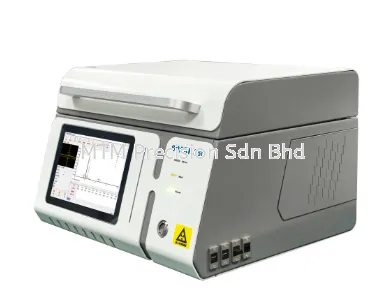
For fish farmers who want to monitor several important parameters with one portable instrument, the Smart Sensor AR8407 Water Quality Meter provides a practical solution.
It combines:
Dissolved Oxygen (DO) + pH + Ammonia Nitrogen + Nitrite + Temperature
in one water-quality testing system.
Why Fish Farms Need More Than a pH Meter
A basic pH meter is useful, but pH alone does not provide a complete picture of aquaculture water conditions.
For example, a pond may show an acceptable pH reading while dissolved oxygen is falling.
Another pond may have sufficient oxygen but rising ammonia or nitrite.
This is why routine aquaculture monitoring commonly involves several parameters rather than relying on only one measurement.
With the AR8407, fish farmers can check several key indicators using one instrument.
1. Dissolved Oxygen – Critical for Fish Survival
Fish require dissolved oxygen in the water for respiration.
DO levels can fluctuate significantly depending on:
Fish stocking density
Water temperature
Aeration
Algae activity
Organic matter
Uneaten feed
Weather
Pond circulation
Time of day
Low dissolved oxygen can become an urgent aquaculture problem.
Regular DO measurement helps farmers identify changing conditions and decide whether additional aeration or other corrective action may be required.
The Smart Sensor AR8407 provides a dissolved oxygen measuring range of:
0–30.0 mg/L
2. pH – Understand Changing Pond Conditions
pH is another fundamental aquaculture parameter.
Changes in pH may be related to biological activity, water source, rainfall, algae and other environmental conditions.
More importantly, pH should not always be interpreted independently.
The relationship between pH, temperature and ammonia is particularly important in aquaculture because changing conditions can affect the proportion of more toxic un-ionized ammonia.
The AR8407 provides a pH measuring range of:
3.5–11.0
3. Ammonia Nitrogen – Watch Fish Waste and Organic Loading
Ammonia can build up because of:
Fish waste
Excess feed
Decomposing organic material
High stocking density
Poor biological filtration
Insufficient water exchange
This makes ammonia monitoring particularly useful for intensive aquaculture operations.
The AR8407 provides an ammonia nitrogen measuring range of:
0–1.00 mg/L
Instead of waiting until fish behaviour changes noticeably, regular testing can help operators identify a developing water-quality issue earlier.
4. Nitrite – Another Important Aquaculture Indicator
Nitrite is produced during the nitrogen cycle.
In a properly functioning biological system, bacteria help convert ammonia through intermediate stages toward nitrate.
However, nitrite may accumulate when the biological process is disrupted or unable to keep up with the waste load.
The AR8407 measures nitrite from:
0–1.00 mg/L
For fish farmers, measuring both ammonia nitrogen and nitrite provides more information than checking pH alone.
5. Temperature – A Parameter That Affects the Whole System
Water temperature influences:
Fish metabolism
Feeding activity
Dissolved oxygen
Biological processes
Microbial activity
Water chemistry
Warm water generally holds less dissolved oxygen than cooler water.
For this reason, temperature and DO readings should be considered together when assessing pond conditions.
Why AR8407 Is Useful for Malaysian Aquaculture
Malaysia's warm climate makes routine water monitoring particularly relevant for aquaculture.
The AR8407 can be considered for applications such as:
Freshwater Fish Farms
Tilapia, catfish and other freshwater farming operations can use routine testing to monitor changing pond conditions.
Shrimp Farms
DO, pH and nitrogen-related parameters are important indicators when managing intensive shrimp farming systems.
Fish Ponds
Portable testing allows measurements to be taken directly at different areas of a pond.
Aquaculture Tanks
Useful for tank-based fish culture and other controlled aquaculture environments.
Hatcheries
Regular water monitoring can support better control of sensitive rearing environments.
Don't Measure Only Once Per Day
One common mistake is assuming that a single measurement represents the entire day's water conditions.
It may not.
For example, dissolved oxygen can change between early morning, afternoon and night because biological activity in the pond changes throughout the day.
Different areas and depths of a large pond may also produce different readings.
For better monitoring, fish farmers can establish a consistent testing routine and compare readings over time.
The objective is not simply to obtain one number.
The objective is to identify trends and unusual changes before they become bigger problems.
3.5 m DO Probe Cable Helps With Pond Testing
The AR8407 dissolved oxygen probe uses an approximately 3.5-metre cable.
This can be useful when measuring:
Pond water
Fish tanks
Water reservoirs
Larger containers
Difficult-to-reach sampling points
The operator can keep the main instrument in hand while positioning the probe at the required measurement point.
Salinity and Altitude Compensation
For dissolved oxygen measurements, environmental conditions matter.
The AR8407 supports:
Salinity Compensation: 0–42 ppt
Altitude Compensation: 0–3500 m
This gives users additional flexibility when performing DO measurements under different conditions.
99 Groups of Manual Data Storage
Aquaculture monitoring becomes more valuable when measurements are compared over time.
The AR8407 can manually store up to 99 groups of measurement data.
Operators can therefore collect readings from different ponds or measurement points and maintain a more systematic monitoring routine.
A Practical Fish Farm Monitoring Routine
Instead of measuring water only after fish show signs of stress, farms can establish regular monitoring points.
For example:
Morning Check dissolved oxygen, temperature and other important parameters.
Afternoon Compare DO, pH and temperature against morning readings.
After Heavy Rain Recheck pond conditions.
After Major Feeding Changes Monitor ammonia and nitrite trends.
When Fish Behaviour Changes Immediately check several water-quality parameters rather than assuming the cause.
The exact testing frequency should depend on the species, stocking density, production system and farm management requirements.
AR8407 vs Separate DO and pH Meters
Dedicated individual instruments may still be preferred when an application requires specialized measurement performance.
However, for routine aquaculture monitoring, carrying several instruments can be inconvenient.
The AR8407 combines several relevant parameters in one system:
DO
pH
Ammonia Nitrogen
Nitrite
Temperature
This is the main reason the AR8407 is particularly interesting for fish farms and aquaculture operators.
Who Should Consider the Smart Sensor AR8407?
The AR8407 may be suitable for:
Fish farm operators
Shrimp farms
Aquaculture technicians
Hatcheries
Pond operators
Fisheries projects
Agricultural projects
Environmental monitoring teams
Water-quality technicians
Aquaculture consultants
If your application requires routine monitoring of DO, pH, ammonia and nitrite, a multi-parameter instrument can be considerably more convenient than carrying several separate meters.
Smart Sensor AR8407 Aquaculture Water Quality Meter Malaysia
MTM Precision supplies the Smart Sensor AR8407 and other professional water-quality testing instruments in Malaysia.
Our water-quality instrument range covers:
Dissolved Oxygen | pH | EC | TDS | Salinity | Turbidity | Ammonia | Nitrite | Refractometer and other water-testing applications
Need help selecting a meter?
Tell us:
What are you testing?
Fish pond, shrimp pond, aquaculture tank, wastewater, drinking water or another application?
And:
Which parameters do you need to measure?
Our team can help you select a suitable water-quality instrument.
Contact MTM Precision
MTM Precision Sdn Bhd
Website: www.mtmpre.com.my
Email: mtmpre@yahoo.com
WhatsApp: 016-660 7346
Showroom & Service Centre
No. 29-1 & 29-2, Jalan Bandar 18,
Pusat Bandar Puchong,
47160 Puchong, Selangor, Malaysia
Supplying water-quality testing instruments across Selangor, Kuala Lumpur, Johor, Penang, Perak, Melaka, Negeri Sembilan, Pahang, Kedah, Perlis, Terengganu, Kelantan, Sarawak and Sabah.
08 Sep 2026


