





High Nitrite in Fish Pond Causes, Testing & What to Check Malaysia

High Nitrite in Fish Pond – Causes, Testing & What to Check Malaysia
High or rising nitrite in a fish pond can indicate that the nitrogen cycle and overall pond loading need closer attention.
Nitrite should not be evaluated as an isolated number.
When nitrite changes, aquaculture operators should also consider:
Ammonia Nitrogen
Dissolved Oxygen (DO)
pH
Temperature
as well as feeding, stocking density, waste accumulation, biological filtration and water management.
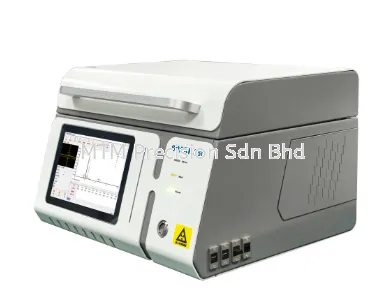
For routine field troubleshooting, the Smart Sensor AR8407 Water Quality Meter combines:
DO + pH + Ammonia Nitrogen + Nitrite + Temperature
in one portable system.
Quick Answer: Why Does Nitrite Increase in a Fish Pond?
Possible contributors include:
Increasing ammonia loading
Heavy feeding
High fish biomass
High stocking density
Uneaten feed
Organic waste accumulation
Changes in biological filtration
Insufficient oxygen conditions
Changes in water exchange
A recently established or disturbed biological system
The actual cause depends on the pond or aquaculture system.
Therefore:
Measure first. Investigate second.
Where Does Nitrite Come From?
Nitrite is part of the nitrogen cycle.
A simplified pathway is:
Ammonia → Nitrite → Nitrate
Fish waste, uneaten feed and decomposing organic material contribute nitrogen to the system.
Biological processes then convert nitrogen compounds from one form to another.
This is why ammonia and nitrite should often be monitored together.
Ammonia and Nitrite Are Connected
Suppose a farm measures only nitrite.
The operator sees:
Nitrite ↑
But what happened before that?
Was ammonia also increasing?
Has feeding changed?
Has biomass increased?
Has the biological system been disturbed?
Measuring:
Ammonia + Nitrite
provides a more useful picture of what may be happening in the nitrogen cycle.
Why Nitrite May Rise After Feeding Increases
More feed can mean:
More nutrient input
↓
More fish metabolism
↓
More waste
and potentially:
More uneaten feed
↓
More decomposition
↓
Greater nitrogen loading
This does not mean every feed increase automatically causes a nitrite problem.
It means significant changes in feeding should be accompanied by appropriate water-quality monitoring.
High Stocking Density Can Increase System Loading
As stocking density and biomass increase:
Feed demand may increase
Waste production may increase
Oxygen demand may increase
Nitrogen loading may increase
The pond's biological processes must handle this increased load.
For more intensive aquaculture systems, routine nitrite and ammonia monitoring becomes increasingly valuable.
Why Dissolved Oxygen Should Be Checked
Do not investigate nitrite while ignoring DO.
Biological nitrogen conversion is linked to microbial processes, and oxygen conditions can be important to the overall system.
At the same time, organic decomposition can contribute to oxygen demand.
If you observe:
Nitrite ↑
and:
DO ↓
investigate the entire pond condition rather than treating these as unrelated readings.
Check Early-Morning DO
An afternoon DO measurement may not show the lowest oxygen conditions experienced by the pond.
During daylight, photosynthesis may contribute oxygen.
At night:
Photosynthesis stops
while respiration continues.
For many pond systems:
Early morning is one of the most useful periods for DO measurement.
When investigating recurring nitrite problems, include early-morning DO in your monitoring routine.
Why Temperature Matters
Temperature influences:
Biological activity
Fish metabolism
Microbial processes
Dissolved oxygen conditions
Therefore, whenever nitrite is measured, also record:
Temperature = _____ °C
This gives the result additional context.
Why Check pH?
pH provides another important indicator of changing pond conditions.
It should be included in a broader troubleshooting record.
Rather than writing:
Nitrite: _____ mg/L
record:
Nitrite: _____ mg/L
Ammonia Nitrogen: _____ mg/L
DO: _____ mg/L
pH: _____
Temperature: _____ °C
Now you have a much more useful dataset.
Step-by-Step: What to Check When Nitrite Is High
Step 1 – Confirm the Measurement
Repeat the test using the correct procedure.
Do not make major management changes based on an uncertain reading.
Step 2 – Measure Ammonia Nitrogen
Determine whether ammonia is also changing.
Step 3 – Measure Dissolved Oxygen
Check actual oxygen conditions.
Where appropriate, compare several pond locations.
Step 4 – Record pH
Include pH in the troubleshooting record.
Step 5 – Record Temperature
Temperature helps provide context for pond conditions.
Step 6 – Review Feeding
Ask:
Has feed quantity increased recently?
Is uneaten feed accumulating?
Step 7 – Review Biomass
Has fish biomass increased substantially?
Step 8 – Inspect Aeration
Are all aerators operating correctly?
Step 9 – Review Organic Waste
Check for sludge and decomposing organic material.
Step 10 – Review Biological Treatment
If the system uses biofiltration, investigate whether operating conditions have changed.
Step 11 – Review Water Exchange
Has the normal water-management routine changed?
Measure More Than One Pond Location
Water conditions may vary across a pond.
Consider comparing:
Near Aerator
Feeding Zone
Away From Aerator
Water Inlet
Pond Outlet
This can help identify whether the condition is widespread or localized.
Use Fixed Sampling Points
For meaningful trend monitoring, use consistent locations.
For example:
Pond 1 – Point A
Pond 1 – Point B
Pond 1 – Point C
Then repeat the measurements from the same locations.
Changing sampling points every day can make trend interpretation more difficult.
Don't Look at One Reading – Look at the Trend
Consider this example:
DayAmmoniaNitriteDOpHTempDay 1_______________Day 2_______________Day 3_______________Day 4_______________
Now ask:
Is nitrite rising continuously?
Did ammonia rise first?
Is DO falling?
Did feeding increase?
Did temperature change?
Was there an aeration problem?
A pattern is usually more informative than an isolated number.
Smart Sensor AR8407 for Nitrite Troubleshooting
The AR8407 provides:
Nitrite
0–1.00 mg/L
Ammonia Nitrogen
0–1.00 mg/L
Dissolved Oxygen
0–30.0 mg/L
pH
3.5–11.0
Temperature
0–50°C
This combination allows aquaculture operators to investigate several related water-quality parameters instead of carrying only a standalone nitrite test.
Important: Understand the AR8407 Testing Method
AR8407 is a multifunction water-quality instrument, but this does not mean one electronic probe simultaneously measures every parameter.
Dissolved oxygen uses the DO probe system.
pH, ammonia nitrogen and nitrite use their corresponding test/reagent procedures specified for the AR8407.
Follow the correct procedure for each parameter.
This distinction is particularly important when comparing AR8407 with dedicated electrode-based or laboratory instruments.
Check the Nitrite Measurement Range Before Buying
The AR8407 nitrite range is:
0–1.00 mg/L
Before purchasing, confirm that this range is appropriate for your expected application.
If you require a different range, higher analytical performance or a specific laboratory method, choose the appropriate dedicated solution instead.
AR8407 Is Useful for Troubleshooting Because It Adds Context
A standalone nitrite test answers:
“What is the nitrite result?”
AR8407 can help answer a broader set of questions:
What is the nitrite?
What is the ammonia nitrogen?
What is the dissolved oxygen?
What is the pH?
What is the temperature?
For aquaculture troubleshooting, this additional context can be valuable.
Can You Identify the Cause From Nitrite Alone?
No.
A nitrite reading tells you about the measured nitrite condition.
It does not automatically identify the cause.
The cause must be investigated using:
Measurements + Farm Records + System Inspection
Review:
Feed
Biomass
Stocking
Aeration
Organic loading
Water exchange
Biological filtration
Recent operational changes
This is much more reliable than guessing.
When Should You Increase Testing Frequency?
Consider additional monitoring after:
Major Feeding Changes
Stocking Changes
Aeration Problems
Biofilter Problems
Heavy Rain
Major Water Changes
Unexpected Fish Behaviour
Unexpected Ammonia Changes
More frequent measurements during changing conditions can help establish whether the problem is improving, stable or worsening.
Fish Pond Nitrite Tester Malaysia
MTM Precision supplies water-quality testing equipment for:
Fish Farms
Tilapia Farms
Catfish Farms
Shrimp & Prawn Farms
Fish Hatcheries
Aquaculture Nurseries
RAS Systems
Environmental Monitoring
Available water-quality categories include:
Nitrite | Ammonia | Dissolved Oxygen | pH | EC | TDS | Salinity | Turbidity | Multi-Parameter Water Quality Testing
For routine aquaculture monitoring requiring:
DO + pH + Ammonia Nitrogen + Nitrite + Temperature
ask MTM Precision about the Smart Sensor AR8407 Water Quality Meter.
Before purchasing, send us:
1. Aquaculture application
2. Water type
3. Parameters required
4. Expected measurement range
5. Number of ponds or tanks
MTM Precision can help compare suitable water-quality testing instruments for your application.
Contact MTM Precision
MTM Precision Sdn Bhd
Website: www.mtmpre.com.my
Email: mtmpre@yahoo.com
WhatsApp: 016-660 7346
Showroom & Service Centre
No. 29-1 & 29-2, Jalan Bandar 18,
Pusat Bandar Puchong,
47160 Puchong, Selangor, Malaysia
Supplying water-quality testing instruments across Selangor, Kuala Lumpur, Johor, Penang, Perak, Melaka, Negeri Sembilan, Pahang, Kedah, Perlis, Terengganu, Kelantan, Sarawak and Sabah.
09 Sep 2026


