





Should Schools and Offices in Johor Use a PM2.5 Monitor During Haze Malaysia

When outdoor air quality becomes unhealthy in Johor, schools and offices may close windows, switch on air-conditioning and move activities indoors.
These steps can reduce exposure to outdoor smoke, but they do not confirm that the air inside every classroom, meeting room or work area has improved.
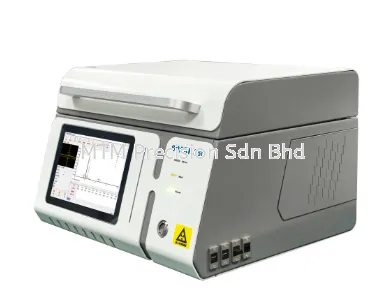
A portable **PM2.5 monitor** provides a practical way to check indoor particle levels, compare different rooms and determine whether filtration or room-management measures are producing a measurable improvement.
## Why Outdoor API Alone Is Not Enough
Malaysia’s outdoor Air Pollutant Index provides an important indication of regional conditions. However, the reading comes from an outdoor monitoring station and does not represent every indoor environment.
Indoor PM2.5 levels can be affected by:
- Open doors and windows
- Student or employee movement
- Air-conditioning and ventilation systems
- Condition of filters
- Building layout and sealing
- Nearby traffic or construction
- Cleaning activities
- Cooking or smoking sources
- Use of air purifiers
Two classrooms or office areas in the same building may therefore have different readings.
## Priority Areas for Schools
Schools, tuition centres and childcare facilities in Johor should begin with occupied areas such as:
- Classrooms
- Teacher rooms
- Libraries
- Computer rooms
- Indoor activity halls
- Canteens
- Sick bays
- Reception areas
- School transport waiting areas
Classrooms near roads, open corridors or vehicle drop-off zones may require closer checking than rooms located deeper inside the building.
## Priority Areas for Offices
Office management teams may check:
- Open-plan workspaces
- Meeting and training rooms
- Reception areas
- Server or control rooms where applicable
- Staff rest areas
- Pantry areas
- Guardhouses
- Warehouses connected to office spaces
- Rooms occupied by employees who report discomfort
For multi-storey buildings, check more than one floor. A reading taken only at the reception counter may not represent the entire workplace.
## A Simple Monitoring Procedure
### 1. Select Representative Rooms
Choose a mixture of rooms near external openings and rooms located further inside the building.
### 2. Position the Monitor Correctly
Place the monitor around normal breathing height and away from:
- Direct air-conditioning outlets
- Air-purifier outlets
- Open windows
- Kitchen or pantry fumes
- Direct sunlight
- Dust-producing activities
### 3. Record the Room Condition
Note:
- Date and time
- Room or area
- PM2.5 reading
- Number of occupants
- Windows and doors open or closed
- Air-conditioning status
- Air-purifier status
- Outdoor API condition
### 4. Take Practical Action
Depending on the building, suitable actions may include:
- Closing unnecessary windows
- Reducing repeated opening of external doors
- Moving activities to a cleaner room
- Operating an appropriate air purifier
- Checking ventilation and air-conditioning filters
- Rescheduling outdoor activities according to official guidance
### 5. Measure Again
Repeat the measurement under similar conditions. Look for a consistent trend rather than reacting to a brief increase or decrease.
## PM2.5 and Carbon Dioxide Measure Different Problems
Closing windows can help reduce outdoor smoke entry, but a crowded room may also develop insufficient ventilation.
A PM2.5 reading shows the level of fine particles around the monitor. It does not show room occupancy or ventilation quality.
Carbon dioxide monitoring can provide additional information about ventilation and occupancy, but it does not replace PM2.5 measurement during haze.
Schools and offices may therefore consider a multi-parameter monitor when they need to examine both:
- **PM2.5 for haze and fine particles**
- **CO₂ for ventilation and occupancy trends**
The readings must be interpreted separately because they measure different conditions.
## How Many Monitors Are Needed?
A small office or childcare centre may use one portable monitor to check several rooms according to a schedule.
A larger school or office should first identify representative zones:
- Areas facing the road
- Internal rooms
- Air-conditioned rooms
- Naturally ventilated rooms
- High-occupancy rooms
- Areas with frequent door movement
The number of monitors depends on the size of the premises, building layout and whether continuous monitoring is required.
## What a PM2.5 Monitor Cannot Do
A PM2.5 monitor does not:
- Remove particles from the air
- Replace an air purifier
- Detect every gas or chemical
- Automatically identify the pollution source
- Replace professional occupational or environmental assessment
- Replace official government air-quality information
It is a screening and trend-monitoring tool that helps management make better-informed decisions.
## Choosing a Monitor for Schools and Offices
Before selecting an instrument, consider:
- Whether PM2.5 is the main priority
- Whether CO₂ or other parameters are also needed
- Number of rooms to be checked
- Portable or fixed-location use
- Requirement for continuous records
- Display size and ease of operation
- Person responsible for reviewing the readings
MTM Precision supplies **Temtop air-quality monitors** for schools, offices, homes and workplace applications. Customers may WhatsApp us their building type, required parameters and approximate number of monitoring areas for suitable model selection.
**MTM Precision Sdn Bhd**
**Showroom & Service Centre:** No. 29-1 & 29-2, Jalan Bandar 18, Pusat Bandar Puchong, 47160 Puchong, Selangor, Malaysia
**Tel:** 03-8080 7172
**WhatsApp:** +6016-660 7346
**Email:** mtmpre@yahoo.com
**Website:** www.mtmpre.com.my
These steps can reduce exposure to outdoor smoke, but they do not confirm that the air inside every classroom, meeting room or work area has improved.
A portable **PM2.5 monitor** provides a practical way to check indoor particle levels, compare different rooms and determine whether filtration or room-management measures are producing a measurable improvement.
## Why Outdoor API Alone Is Not Enough
Malaysia’s outdoor Air Pollutant Index provides an important indication of regional conditions. However, the reading comes from an outdoor monitoring station and does not represent every indoor environment.
Indoor PM2.5 levels can be affected by:
- Open doors and windows
- Student or employee movement
- Air-conditioning and ventilation systems
- Condition of filters
- Building layout and sealing
- Nearby traffic or construction
- Cleaning activities
- Cooking or smoking sources
- Use of air purifiers
Two classrooms or office areas in the same building may therefore have different readings.
## Priority Areas for Schools
Schools, tuition centres and childcare facilities in Johor should begin with occupied areas such as:
- Classrooms
- Teacher rooms
- Libraries
- Computer rooms
- Indoor activity halls
- Canteens
- Sick bays
- Reception areas
- School transport waiting areas
Classrooms near roads, open corridors or vehicle drop-off zones may require closer checking than rooms located deeper inside the building.
## Priority Areas for Offices
Office management teams may check:
- Open-plan workspaces
- Meeting and training rooms
- Reception areas
- Server or control rooms where applicable
- Staff rest areas
- Pantry areas
- Guardhouses
- Warehouses connected to office spaces
- Rooms occupied by employees who report discomfort
For multi-storey buildings, check more than one floor. A reading taken only at the reception counter may not represent the entire workplace.
## A Simple Monitoring Procedure
### 1. Select Representative Rooms
Choose a mixture of rooms near external openings and rooms located further inside the building.
### 2. Position the Monitor Correctly
Place the monitor around normal breathing height and away from:
- Direct air-conditioning outlets
- Air-purifier outlets
- Open windows
- Kitchen or pantry fumes
- Direct sunlight
- Dust-producing activities
### 3. Record the Room Condition
Note:
- Date and time
- Room or area
- PM2.5 reading
- Number of occupants
- Windows and doors open or closed
- Air-conditioning status
- Air-purifier status
- Outdoor API condition
### 4. Take Practical Action
Depending on the building, suitable actions may include:
- Closing unnecessary windows
- Reducing repeated opening of external doors
- Moving activities to a cleaner room
- Operating an appropriate air purifier
- Checking ventilation and air-conditioning filters
- Rescheduling outdoor activities according to official guidance
### 5. Measure Again
Repeat the measurement under similar conditions. Look for a consistent trend rather than reacting to a brief increase or decrease.
## PM2.5 and Carbon Dioxide Measure Different Problems
Closing windows can help reduce outdoor smoke entry, but a crowded room may also develop insufficient ventilation.
A PM2.5 reading shows the level of fine particles around the monitor. It does not show room occupancy or ventilation quality.
Carbon dioxide monitoring can provide additional information about ventilation and occupancy, but it does not replace PM2.5 measurement during haze.
Schools and offices may therefore consider a multi-parameter monitor when they need to examine both:
- **PM2.5 for haze and fine particles**
- **CO₂ for ventilation and occupancy trends**
The readings must be interpreted separately because they measure different conditions.
## How Many Monitors Are Needed?
A small office or childcare centre may use one portable monitor to check several rooms according to a schedule.
A larger school or office should first identify representative zones:
- Areas facing the road
- Internal rooms
- Air-conditioned rooms
- Naturally ventilated rooms
- High-occupancy rooms
- Areas with frequent door movement
The number of monitors depends on the size of the premises, building layout and whether continuous monitoring is required.
## What a PM2.5 Monitor Cannot Do
A PM2.5 monitor does not:
- Remove particles from the air
- Replace an air purifier
- Detect every gas or chemical
- Automatically identify the pollution source
- Replace professional occupational or environmental assessment
- Replace official government air-quality information
It is a screening and trend-monitoring tool that helps management make better-informed decisions.
## Choosing a Monitor for Schools and Offices
Before selecting an instrument, consider:
- Whether PM2.5 is the main priority
- Whether CO₂ or other parameters are also needed
- Number of rooms to be checked
- Portable or fixed-location use
- Requirement for continuous records
- Display size and ease of operation
- Person responsible for reviewing the readings
MTM Precision supplies **Temtop air-quality monitors** for schools, offices, homes and workplace applications. Customers may WhatsApp us their building type, required parameters and approximate number of monitoring areas for suitable model selection.
**MTM Precision Sdn Bhd**
**Showroom & Service Centre:** No. 29-1 & 29-2, Jalan Bandar 18, Pusat Bandar Puchong, 47160 Puchong, Selangor, Malaysia
**Tel:** 03-8080 7172
**WhatsApp:** +6016-660 7346
**Email:** mtmpre@yahoo.com
**Website:** www.mtmpre.com.my
29 Sep 2026


