





How to Use Temtop LKC-1000S 2nd After Office Renovation Malaysia

How to Use Temtop LKC-1000S 2nd After Office Renovation Malaysia
A newly renovated office may contain fresh paint, adhesives, cabinets, flooring, furniture, cleaning products, and other materials that can change indoor air quality.
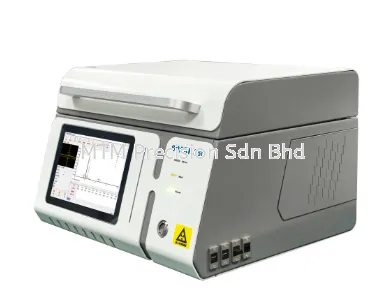
The Temtop LKC-1000S 2nd can support preliminary checking by monitoring:
- HCHO
- TVOC
- PM2.5
- PM10
- AQI
- Temperature
- Humidity
It can help facilities teams compare different rooms, identify changes after ventilation, and record trends.
However, a portable monitor should not be used alone to certify that a renovated office is safe for occupancy.
What Should Be Checked After Renovation?
Different renovation activities may create different indoor air quality concerns.
New Furniture and Cabinets
Possible sources include:
- Wood-based panels.
- Adhesives.
- Surface coatings.
- Laminates.
- New cabinets.
- Office desks.
- Storage systems.
Painting and Finishing
Possible sources include:
- Paint.
- Thinner.
- Solvents.
- Sealants.
- Floor coatings.
- Cleaning chemicals.
Flooring Work
Possible sources include:
- Adhesives.
- Vinyl products.
- Carpet.
- Underlay.
- Floor coatings.
- Cleaning and polishing products.
Construction Dust
Possible sources include:
- Drilling.
- Cutting.
- Sanding.
- Ceiling work.
- Wall preparation.
- Dry sweeping.
- Moving construction materials.
The LKC-1000S 2nd provides different measurements for different parts of the investigation.
Understanding the HCHO Reading
HCHO refers to formaldehyde.
The HCHO function may be useful for checking changes around:
- New cabinets.
- Wood-based furniture.
- Renovated meeting rooms.
- New partitions.
- Newly installed flooring.
- Rooms containing new interior materials.
The monitor provides an HCHO indication, but it does not identify the exact source.
A formal investigation may require professional sampling and laboratory analysis.
Understanding the TVOC Reading
TVOC means total volatile organic compounds.
It is a broad indication and may respond to different volatile sources, including:
- Paint.
- Solvents.
- Cleaning products.
- Adhesives.
- Air fresheners.
- Alcohol-based products.
- New furniture.
- Flooring materials.
- Personal care products.
- Other indoor chemicals.
TVOC does not identify a specific chemical.
A high TVOC reading should be treated as a reason to investigate the environment, recent activities, and ventilation.
Why PM2.5 and PM10 Matter After Renovation
Renovation may leave fine and coarse particles in the office.
PM2.5 and PM10 may increase because of:
- Sanding dust.
- Drilling.
- Cutting.
- Ceiling work.
- Dry sweeping.
- Dust on furniture.
- Air conditioner operation after construction.
- Dust entering from corridors.
- Ongoing work nearby.
Particle readings may remain elevated even after the main renovation work is completed if dust has settled on surfaces or inside ventilation components.
Step 1: Prepare a Room List
Divide the office into monitoring zones.
Possible locations include:
- Reception.
- Main office.
- Meeting room.
- Manager room.
- Pantry.
- Store room.
- Printing area.
- Rooms with new cabinets.
- Rooms with new flooring.
- Rooms with strong odours.
- Areas closest to ongoing renovation.
Do not rely on only one reading near the main entrance.
Step 2: Record the Renovation Details
For each room, record:
- Type of renovation work.
- Completion date.
- Paint or coating used.
- New furniture installed.
- Adhesives used.
- Flooring work.
- Cleaning products used.
- Ventilation condition.
- Air conditioner operation.
- Number of occupants.
- Visible dust.
- Noticeable odour.
This information helps explain why two rooms may produce different readings.
Step 3: Position the Monitor Correctly
Place the LKC-1000S 2nd:
- Near breathing height.
- In the occupied part of the room.
- Away from direct sunlight.
- Away from air conditioner outlets.
- Away from purifier outlets.
- Away from open chemical containers.
- Away from direct cleaning spray.
- Where the air inlet is not blocked.
- On a stable surface.
Do not place the monitor directly against new furniture or wet paint unless you are specifically investigating that local source.
A local source reading may not represent the average room condition.
Step 4: Allow the Reading to Respond
When moving between rooms, allow the instrument time to respond to the new environment.
Do not walk through the office and record every number immediately.
Use a consistent monitoring method for every location:
- Similar measurement height.
- Similar waiting period.
- Same operating mode.
- Same recording format.
- Similar room condition.
Consistency makes the comparison more useful.
Step 5: Check Before Ventilation
Where site procedures permit, take a reference reading before increasing ventilation.
Record:
- HCHO.
- TVOC.
- PM2.5.
- PM10.
- Temperature.
- Humidity.
- Door and window condition.
- Air conditioner status.
Do not intentionally seal a room containing strong chemical vapours simply to create a higher reading.
Follow product instructions and workplace safety procedures.
Step 6: Check After Ventilation
After using the available ventilation system, repeat the measurement in the same position.
Compare whether:
- HCHO decreases.
- TVOC decreases.
- PM2.5 changes.
- PM10 changes.
- The room odour changes.
- Temperature and humidity change.
During haze, opening windows may reduce some indoor vapours while allowing outdoor PM2.5 to enter.
Monitor both gases and particles instead of looking at only one parameter.
Step 7: Compare Rooms With and Without New Materials
A useful comparison may include:
- A renovated room with new cabinets.
- A renovated room without new cabinets.
- An older office area.
- A room with new flooring.
- A room with no recent work.
- A storage room containing renovation materials.
If one room repeatedly shows a higher indication, review the materials, ventilation, and activities in that area.
This does not automatically identify the chemical source, but it helps focus the investigation.
Step 8: Repeat the Check Over Time
One measurement only shows the condition at that moment.
Consider repeating the same route:
- Before working hours.
- During air conditioner operation.
- After ventilation.
- After cleaning.
- After furniture installation.
- Before employees move in.
- After the room has been occupied.
- On another day under similar conditions.
Trend information is more useful than one isolated number.
Step 9: Export and Review the Data
The data export function can support:
- Room comparison.
- Internal facilities records.
- Before and after ventilation review.
- Renovation contractor discussions.
- Tracking changes over several days.
- Identifying repeated increases.
- Reviewing particle changes during cleaning.
The exported information should include notes about room activities and conditions.
A number without location and activity information may be difficult to interpret.
Common Measurement Mistakes
Avoid:
- Measuring directly beside wet paint.
- Spraying cleaning chemicals near the monitor.
- Blocking the air inlet.
- Recording immediately after moving the instrument.
- Comparing rooms under completely different conditions.
- Ignoring air conditioner and ventilation operation.
- Treating TVOC as one specific gas.
- Treating HCHO indication as laboratory confirmation.
- Using odour alone to judge air quality.
- Assuming no odour means no indoor pollutant.
- Using the monitor as an occupancy clearance certificate.
A Low Reading Does Not Replace a Full Assessment
Portable monitoring can support preliminary checking and trend comparison.
It does not replace:
- Professional indoor air quality assessment.
- Laboratory chemical analysis.
- Occupational exposure assessment.
- Material safety information.
- Building ventilation evaluation.
- Applicable workplace requirements.
- Specialist investigation of employee complaints.
If the office has strong persistent odours, repeated unusual readings, visible chemical spills, or employee symptoms, stop relying only on the portable monitor and seek appropriate professional guidance.
LKC-1000S 2nd or M2000 2nd?
Choose the LKC-1000S 2nd when the main priorities are:
- HCHO.
- TVOC.
- PM2.5.
- PM10.
- Renovation materials.
- Data export.
Choose the M2000 2nd when the application also requires CO2 monitoring for occupancy and ventilation review.
The LKC-1000S 2nd does not measure CO2.
LKC-1000S 2nd or M10+?
Choose the LKC-1000S 2nd for portable room-to-room renovation checks involving HCHO, TVOC, PM2.5, and PM10.
Choose the M10+ for continuous monitoring of PM2.5, CO2, TVOC, temperature, and humidity in an occupied room with app access.
The correct model depends on whether the user needs a portable inspection tool or a connected room monitor.
Renovation Air Quality Checking in Malaysia
The Temtop LKC-1000S 2nd helps facilities teams perform structured preliminary checks after office renovation.
By comparing rooms, materials, ventilation conditions, and measurement trends, users can identify areas that may require further investigation.
For assistance selecting the Temtop LKC-1000S 2nd or another indoor air quality monitor for renovation checking in Malaysia, contact MTM Precision.
MTM Precision Sdn Bhd
Showroom and Service Centre: No. 29-1 and 29-2, Jalan Bandar 18, Pusat Bandar Puchong, 47160 Puchong, Selangor, Malaysia
Tel: 03-8080 7172
WhatsApp: +6016-660 7346
Email: mtmpre@yahoo.com
Website: www.mtmpre.com.my
07 Oct 2026
