





How to Choose the Right Linshang Water Quality Tester LS310 vs LS311 Malaysia

How to Choose the Right Linshang Water Quality Tester LS310 vs LS311 Malaysia
Choosing a water quality tester should start with one question:
What water are you testing, and which parameters do you actually need?
A basic TDS meter may be sufficient for simple dissolved-solids measurements. However, users working with water treatment, RO systems, facility management, factories, aquaculture or seawater may need a broader set of parameters.
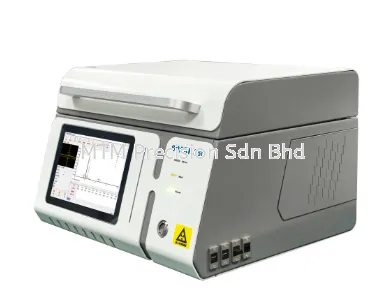
The Linshang LS310 and LS311 Water Quality Testers provide portable multi-parameter water quality screening for different applications.
The LS310 measures six parameters, while the LS311 expands the capability to nine.
This guide explains the differences and helps Malaysian users choose the more suitable model.
Linshang LS310 Six Water Quality Parameters
The Linshang LS310 measures:
COD
TOC
TDS
UV275
EC
Temperature
It is designed for users who need broader routine water quality screening beyond TDS alone.
Potential applications include:
Drinking water screening
Tap water
Filtered water
RO water
Groundwater
Building water systems
Factory water
Water treatment systems
Routine water monitoring
Linshang LS311 Nine Water Quality Parameters
The Linshang LS311 measures the same six parameters and adds:
Salinity
GH General Hardness
Specific Gravity
These additional parameters expand its suitability to:
Aquaculture
Fish farms
Shrimp farms
Seawater
Brackish water
Marine aquariums
Freshwater aquariums
Hatcheries
LS310 vs LS311 Quick Comparison
FeatureLinshang LS310Linshang LS311CODYesYesTOCYesYesTDSYesYesUV275YesYesECYesYesTemperatureYesYesSalinityYesGHYesSpecific GravityYesGeneral Water ScreeningExcellentExcellentRO / Filtered WaterSuitableSuitableAquacultureBasic ApplicationsRecommendedSeawaterLimitedRecommendedFish / Shrimp FarmBasic ApplicationsRecommended
The main selection point is therefore straightforward:
Need Salinity + GH + Specific Gravity? Choose LS311.
Otherwise, the LS310 may be sufficient.
Which Model for Drinking Water?
For routine drinking water screening, the LS310 is generally the more straightforward option.
It provides:
COD + TOC + TDS + UV275 + EC + Temperature
Users can compare:
Tap Water → Filtered Water → RO Water
However, neither model should be treated as a complete drinking water safety certification system.
Specific contaminants and microorganisms may require appropriate laboratory testing.
Which Model for RO Water?
For general RO water monitoring, the LS310 is usually sufficient.
TDS and EC are particularly useful for comparing:
RO Feed Water → RO Product Water
The additional COD, TOC, UV275 and temperature readings allow users to build a broader routine monitoring record.
Which Model for Water Filtration Companies?
For most general water filtration applications, consider the LS310.
A technician can compare:
Before Filter → After Filter
using six parameters instead of showing customers only a TDS reading.
If the company also services aquaculture or saline-water systems, the LS311 provides additional flexibility.
Which Model for Factories?
For factory water, industrial RO systems and facility monitoring, the LS310 can be an excellent starting point.
Factories can establish sampling points such as:
Incoming Water → Treatment → RO → Storage → Point of Use
Routine measurements can then be compared with historical baseline data.
Which Model for Facility Management?
For:
Hotels
Commercial buildings
Shopping centres
Schools
Universities
Office buildings
Property management
the LS310 is generally suitable for routine multi-point water screening.
Fixed sampling points can be established throughout the building for trend monitoring.
Which Model for Fish Farms?
For fish farms, the LS311 is generally the better choice.
Its additional measurements of:
Salinity + GH + Specific Gravity
expand its usefulness across freshwater, brackish-water and marine aquaculture applications.
Which Model for Shrimp Farms?
For shrimp farming, especially brackish-water or marine operations, choose the LS311.
Salinity can change because of:
Rainfall
Evaporation
Water exchange
Freshwater addition
Source water variation
The LS311 allows salinity to be monitored together with eight other parameters.
Which Model for Seawater?
Choose the LS311.
The additional salinity and specific gravity functions make it much more appropriate for marine water screening than the LS310.
Potential applications include:
Marine fish farms
Marine aquariums
Hatcheries
Seawater systems
Coastal aquaculture
Which Model for Aquariums?
For general freshwater screening, either model may provide useful measurements depending on the required parameters.
However, if you need:
GH
Salinity
Specific gravity
choose the LS311.
For marine aquariums, the LS311 is the more logical option.
What If I Only Need TDS?
Then you may not need either model.
A conventional TDS meter can be more economical if Total Dissolved Solids is the only measurement required.
The LS310 and LS311 are intended for users who want broader multi-parameter screening.
Buying more functions than you need is not always the best investment.
What If I Need pH or Dissolved Oxygen?
The LS310 and LS311 do not replace every type of water testing instrument.
Depending on your application, you may also require dedicated measurement of:
pH
Dissolved oxygen
Chlorine
Ammonia
Nitrite
Nitrate
Turbidity
Other specific parameters
This is particularly important in aquaculture and environmental monitoring.
Why Reagent-Free Testing Matters
One of the main advantages of the Linshang LS310 and LS311 is convenient reagent-free routine screening for their supported measurements.
This can be useful when users need to test:
Multiple locations
Multiple ponds
Multiple buildings
Multiple customer sites
Water before and after treatment
Reducing sample preparation can make routine monitoring easier to implement.
Portable Tester or Laboratory Testing?
The answer is often:
Both.
Use portable testing for:
Routine screening
Fast comparison
Field measurements
Trend monitoring
Preliminary troubleshooting
Use appropriate laboratory testing for:
Regulatory compliance
Accredited reports
Drinking water certification
Specific contaminant analysis
Microbiological analysis
Detailed investigation
The two approaches complement each other.
The Most Important Buying Question
Do not start with:
“Which model has more functions?”
Start with:
“Which parameters are relevant to my application?”
A simple selection guide is:
TDS only → Basic TDS Meter
Drinking Water / RO / Filtration / Factory → Linshang LS310
Aquaculture / Fish Farm / Shrimp Farm / Seawater → Linshang LS311
This makes the buying decision much easier.
Linshang Water Quality Tester Malaysia
The Linshang LS310 and LS311 provide two practical choices for Malaysian users who need portable multi-parameter water quality screening.
Choose the LS310 for general water quality, RO, filtration, building and industrial applications.
Choose the LS311 when aquaculture, salinity, GH, specific gravity or seawater testing is required.
For professional users, the real value of these instruments is not simply the number of parameters.
It is the ability to establish:
Baseline → Routine Measurement → Historical Record → Trend Analysis → Investigation
This turns occasional water testing into a more systematic monitoring process.
Looking for Linshang Water Quality Tester in Malaysia?
MTM Precision supplies professional water quality, environmental and industrial testing instruments in Malaysia.
Tell us:
What water you are testing
Which parameters you need
How often you test
Whether the application is freshwater or seawater
Our team can help you select a suitable Linshang water quality tester or other professional water testing equipment.
Contact MTM Precision
MTM Precision Sdn. Bhd.
Showroom & Service Centre
No. 29-1 & 29-2, Jalan Bandar 18,
Pusat Bandar Puchong,
47160 Puchong, Selangor, Malaysia
🌐 Website: www.mtmpre.com.my
📧 Email: mtmpre@yahoo.com
📱 WhatsApp: +6016-660 7346
16 Aug 2026
