





Thermal Imaging Camera for Solar Panel Inspection: Noyafa NF-522 Malaysia

Thermal Imaging Camera for Solar Panel Inspection: Noyafa NF-522 Malaysia
Solar photovoltaic systems are increasingly installed on factories, warehouses, commercial buildings and residential properties across Malaysia.
During operation, abnormal electrical or cell conditions may sometimes create unusual temperature patterns. Thermal imaging provides solar technicians and maintenance teams with a fast method of screening PV modules and accessible electrical components for these anomalies.
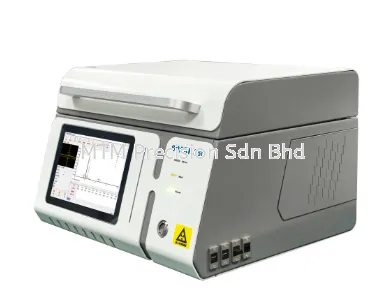
The Noyafa NF-522 Thermal Imaging Camera features 200 × 150 infrared resolution, 65mK thermal sensitivity and a -40°C to 330°C temperature measurement range, making it a potential handheld tool for general solar PV inspection and maintenance.
Why Use Thermal Imaging for Solar Panels?
A solar module contains multiple photovoltaic cells.
When operating conditions are appropriate, technicians can compare temperature distribution across the panel.
An unusual localized hot area may indicate that further investigation is necessary.
Thermal imaging is useful because technicians can see the temperature pattern rather than checking isolated points individually.
What Is a Solar Panel Hot Spot?
In thermal inspection, a hot spot refers to an area that appears significantly hotter than surrounding areas under the inspection conditions.
Possible reasons for abnormal heating can vary and may include electrical, cell, connection, shading or other operating conditions.
A thermal image alone should not be used to declare the exact fault.
The correct workflow is:
Find Thermal Anomaly → Investigate → Test → Identify Cause
What Can Be Inspected?
Depending on system design, safe access and inspection conditions, thermal imaging may be useful for checking:
PV modules
Individual module areas
Junction-box areas
Accessible cable connections
DC electrical components
Combiner-related equipment
Inverter-related accessible surfaces
AC distribution equipment
Appropriate electrical and working-at-height safety procedures must always be followed.
Example: Comparing Solar Modules
Imagine a row of similar PV modules operating under comparable sunlight.
Most show relatively similar thermal patterns.
One panel contains a small area that is noticeably hotter than the surrounding cells.
That difference does not automatically identify the problem.
However, it gives the solar technician a clear location for further investigation.
Why Thermal Imaging Is Faster Than Spot Measurement
Suppose a rooftop installation contains many solar panels.
Checking selected points using an infrared thermometer can be time-consuming.
More importantly, the technician must decide where to measure.
With thermal imaging, the workflow becomes:
Scan → Identify Unusual Pattern → Investigate
This is one of the main advantages of a thermal camera for maintenance work.
Can Thermal Imaging Detect a Faulty Solar Panel?
Thermal imaging can help identify thermal anomalies associated with potential PV problems.
However, it should not be treated as a complete solar-panel diagnostic method.
Further tests may be needed depending on the suspected condition.
These could involve appropriate PV electrical testing, visual inspection or system-performance analysis.
Solar Panel Thermal Inspection Conditions
PV thermal inspection depends heavily on operating and environmental conditions.
Factors that can influence the thermal image include:
Solar irradiance
Cloud cover
Wind
Panel load
Panel angle
Reflections
Shading
Inspection angle
Ambient temperature
For meaningful comparison, panels should ideally be assessed under suitable and reasonably comparable operating conditions.
Why Sunlight Matters
Solar modules need to be operating under appropriate irradiance for many thermal anomalies to become visible.
If the panels are inspected under weak or rapidly changing sunlight, temperature differences may be less meaningful.
This is why solar thermography requires more than simply pointing a camera at a PV array.
Inspection conditions matter.
Why Wind Matters
Wind can cool panel surfaces.
Strong or changing wind may reduce visible temperature differences and make comparisons more difficult.
Technicians should consider environmental conditions when interpreting thermal images.
Watch for Thermal Reflections
Solar panels include reflective surfaces.
The inspection angle can therefore influence the thermal image.
Reflections from the sky, sun, technician or surrounding structures may affect interpretation.
Changing the viewing angle can sometimes help determine whether an apparent thermal pattern is a real surface condition or reflection.
Thermal Imaging of Junction Boxes
Junction-box areas and electrical connections can also be relevant during PV maintenance.
Abnormal resistance at an electrical connection may produce increased heat.
A thermal camera can help locate an unusual temperature pattern.
Further electrical inspection is then required to determine the cause.
Thermal Imaging of Solar Electrical Panels
A PV system contains more than solar modules.
Depending on system design, technicians may also need to inspect:
DC distribution
AC distribution
Breakers
Electrical terminals
Cable connections
Inverter-related equipment
The NF-522 can therefore support both module screening and general electrical thermal inspection.
Thermal Camera + Clamp Meter
Thermal imaging becomes more useful when combined with electrical measurements.
For example:
NF-522 → Find Abnormal Hot Connection
then:
Clamp Meter / Suitable PV Test Equipment → Investigate Electrical Condition
This provides more diagnostic information than thermal imaging alone.
Can NF-522 Measure Solar Panel Temperature?
The NF-522 measures infrared radiation from target surfaces and estimates surface temperature according to the measurement settings and conditions.
For solar modules, users should consider factors such as:
Emissivity
Reflections
Viewing angle
Distance
Environmental conditions
The displayed temperature should not be interpreted without considering these factors.
Why 200 × 150 Thermal Resolution Helps
The NF-522 uses a:
200 × 150 infrared detector
providing approximately:
30,000 thermal pixels.
This allows technicians to visualize temperature distribution across a PV module rather than obtaining only one spot reading.
For general screening, this can make abnormal areas easier to identify.
Why 65mK Thermal Sensitivity Matters
Some thermal differences may be relatively subtle.
The NF-522 is specified with 65mK thermal sensitivity, helping distinguish relatively small temperature differences within the thermal scene.
Thermal sensitivity and detector resolution both contribute to the usefulness of the image.
Is Higher Thermal Resolution Better for Solar Inspection?
Higher native thermal resolution generally provides more spatial thermal detail.
This can be especially useful when:
Inspecting small anomalies
Working at longer distances
Inspecting large arrays
Producing detailed professional reports
The NF-522's 200 × 150 resolution can be useful for general handheld inspection, but users requiring specialized professional PV thermography should select equipment according to their specific inspection standards and requirements.
Handheld Thermal Camera vs Drone Thermal Inspection
Both approaches have different strengths.
Handheld Thermal Camera
Useful for:
Smaller installations
Close inspection
Electrical panels
Junction areas
Rooftop maintenance
Follow-up troubleshooting
Thermal Drone
Useful for:
Very large solar farms
Rapid aerial coverage
Large-scale inspection programs
For factories and commercial buildings with rooftop solar installations, a handheld thermal camera can be a practical maintenance tool.
Factory Rooftop Solar Inspection
Many factories install rooftop PV systems to reduce electricity costs and support sustainability objectives.
The facility maintenance team may therefore be responsible for both:
Factory Equipment + Solar PV Infrastructure
A thermal camera becomes particularly versatile because the same NF-522 can potentially be used for:
Solar panels
Electrical DBs
Motors
Pumps
HVAC equipment
Building inspection
This increases the practical value of the instrument for facility teams.
Thermal Imaging for Solar Preventive Maintenance
Thermal imaging can form part of a routine PV maintenance program.
A basic inspection strategy may include:
Visual Inspection → Thermal Scan → Electrical Testing → Corrective Action → Recheck
The objective is to identify abnormal conditions before they contribute to larger performance or reliability issues.
Keep Thermal Inspection Records
Thermal images can also help maintenance teams document changes.
For example:
Inspection 1: Normal thermal pattern
Inspection 2: Small anomaly appears
Inspection 3: Anomaly becomes more pronounced
This provides useful information for deciding when additional investigation or maintenance is justified.
Important Safety Considerations
Solar PV systems can involve:
DC electrical hazards
AC electrical hazards
Rooftop work
Working at height
Hot surfaces
Weather exposure
Thermal imaging being non-contact does not eliminate these risks.
Inspection should be performed by appropriately trained personnel following site procedures and applicable safety requirements.
Noyafa NF-522 Key Specifications
Important specifications include:
Infrared resolution: 200 × 150
Thermal pixels: Approximately 30,000
Temperature range: -40°C to 330°C
Thermal sensitivity: 65mK
Frame rate: 9Hz
Adjustable emissivity: 0.1–1.0
Display: 2.8-inch TFT
Battery: 5000mAh
Drop resistance: Up to 2 metres
Who Can Consider the NF-522 for Solar Inspection?
Potential users include:
Solar contractors
Solar O&M teams
Electrical contractors
Factory maintenance departments
Facility managers
M&E contractors
Building maintenance companies
Engineering service providers
Is the Noyafa NF-522 Suitable for Solar Panel Inspection?
For general close-range screening and maintenance, the NF-522 can help visualize thermal differences across PV modules and accessible electrical equipment.
Its 200 × 150 detector provides approximately 30,000 thermal pixels, allowing users to identify areas that differ from the surrounding thermal pattern.
However, users should understand that successful PV thermography depends heavily on environmental conditions, inspection technique and correct interpretation.
For specialized solar thermography or large solar farms, higher-end equipment or dedicated aerial systems may be more appropriate.
Looking for Solar PV Testing Equipment in Malaysia?
MTM Precision supplies testing and measurement instruments for electrical inspection, solar maintenance, factory preventive maintenance and facility management.
The Noyafa NF-522 can also complement other electrical and condition-monitoring instruments when troubleshooting PV installations.
Contact MTM Precision for Noyafa NF-522 Thermal Imaging Camera availability, quotation and application advice.
Contact MTM Precision
MTM Precision Sdn Bhd
No. 29-1 & 29-2, Jalan Bandar 18,
Pusat Bandar Puchong,
47160 Puchong, Selangor, Malaysia.
Website: www.mtmpre.com.my
WhatsApp: +6016-660 7346
Email: mtmpre@yahoo.com
25 Aug 2026

