





Where Should You Place a Formaldehyde Meter in a Room? Malaysia Testing Guide

Where Should You Place a Formaldehyde Meter in a Room? Malaysia Testing Guide
Where should you place a formaldehyde meter when checking a bedroom, living room, office or newly renovated property?
For preliminary indoor air screening, the best approach is generally to measure the occupied room environment, keep the meter's sensing openings unobstructed, and compare several representative locations rather than placing the instrument directly against a wall, cabinet or furniture surface.
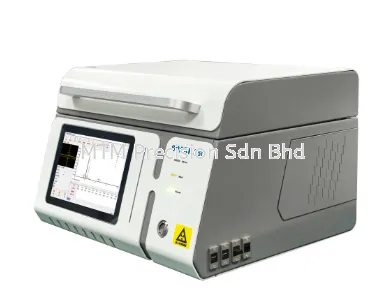
A portable instrument such as the NOYAFA JMS17 Indoor Air Quality Tester can then be moved between locations to compare HCHO, TVOC, temperature and humidity.
Why Does Meter Position Matter?
Indoor air is not necessarily identical throughout a room.
Readings may vary because of:
Ventilation
Windows and doors
Air-conditioning
New furniture
Cabinets
Room layout
Temperature
Humidity
Recent renovation work
This means one reading from one corner should not automatically be treated as representative of an entire property.
Start with a Representative Room Location
For a general screening check, begin in a representative occupied area of the room.
Keep the instrument away from situations that could artificially distort the comparison, and make sure its sensing openings are not blocked.
Follow the manufacturer's instructions regarding operating position, startup and response time.
Record the reading before moving to another location.
Should You Put the Meter Directly Beside New Furniture?
It depends on what you are trying to learn.
If your goal is to understand the general room condition, use a representative room location.
If you are investigating whether conditions differ around a newly installed wardrobe or cabinet, you can take an additional measurement nearby and compare it with the general room reading.
For example:
Room Centre → Near New Wardrobe → Other Side of Room
The comparison is more useful than assuming one measurement represents everything.
How to Check a Bedroom
A newly renovated bedroom may contain:
New wardrobe
Bed frame
Flooring
Paint
Curtains
Cabinets
Adhesives
Interior finishing materials
A simple screening sequence can be:
General Bedroom Area
↓
Near New Wardrobe
↓
Another Part of Bedroom
↓
After Ventilation
Record each measurement consistently.
How to Check a Living Room
For a living room, consider representative areas around:
General occupied space
New furniture
New cabinets
Recently renovated sections
Avoid continuously walking around with the meter and treating every changing number as a final result.
Allow the instrument sufficient response time according to its operating instructions.
How to Check Kitchen Cabinets
A newly renovated kitchen can contain a substantial amount of cabinet material.
For preliminary comparison, you could measure:
General Kitchen Area → Near Cabinet Area → Adjacent Room
If one location repeatedly differs from the others, further investigation may be appropriate.
What About an Office?
For an office, test representative occupied locations such as:
Workstation area
Meeting room
Manager office
Reception
Newly renovated section
New furniture area
A useful sequence might be:
Open Workspace → Meeting Room → New Cabinet Area → Renovated Room
This allows facility personnel to build a basic location map of indoor conditions.
Should You Place the Meter Near a Window?
A reading close to an open window may reflect different ventilation conditions from the rest of the room.
That does not make the measurement useless, but you should document the condition.
For example:
Test A – Normal Room Condition
Test B – After Opening Window
This creates a meaningful before-and-after comparison.
What About Air-Conditioning Vents?
Avoid interpreting a measurement taken directly in unusual airflow as automatically representative of the occupied room.
Air-conditioning can affect airflow, temperature and humidity.
If you want to investigate the effect of air-conditioning, perform separate documented comparisons under consistent conditions.
How High Should You Place the Meter?
There is no universal placement height appropriate for every type of formaldehyde assessment.
For basic portable screening, use a position representative of the area you are assessing and follow the instrument manufacturer's instructions.
If the measurement is being performed according to a specific professional, regulatory or occupational testing standard, follow the sampling position and measurement procedure specified by that standard.
Allow Time for the Reading to Respond
Position is only one part of good testing practice.
When moving a portable air quality meter between rooms, allow adequate response time before recording a measurement.
Do not:
Bedroom → 5 Seconds → Kitchen → 5 Seconds → Living Room
and expect the readings to represent stable room conditions.
Consistency improves the usefulness of comparisons.
Record More Than HCHO
If your instrument provides multiple parameters, record them.
The NOYAFA JMS17 measures:
HCHO / Formaldehyde
TVOC
Temperature
Relative Humidity
A useful record could therefore include:
Location | HCHO | TVOC | Temperature | Humidity | Ventilation Condition
This makes later comparisons much easier.
Repeat Measurements Over Time
One measurement represents one set of conditions.
Consider comparing:
Before vs After Ventilation
Morning vs Later Measurement
Day 1 vs Day 7
Room Centre vs New Furniture Area
Patterns over time can provide more useful screening information than one isolated reading.
Common Formaldehyde Meter Placement Mistakes
Avoid these common mistakes:
Blocking the Sensor
Do not cover the instrument's air or sensing openings.
Measuring Only One Location
One room or corner may not represent the entire property.
Holding the Meter Directly Against Materials
Unless you are deliberately performing a comparison, this may not represent normal room air conditions.
Testing in Strong Direct Airflow Without Context
Document ventilation and air-conditioning conditions.
Moving Too Quickly
Give the instrument time to respond.
Ignoring Environmental Conditions
Temperature and humidity provide useful context.
NOYAFA JMS17 for Room-to-Room Testing
The portability of the NOYAFA JMS17 makes it useful for systematic comparisons such as:
Bedroom → Living Room → Kitchen → Study → New Furniture Area
or:
Reception → Workstation → Meeting Room → Renovated Office
With HCHO + TVOC + Temperature + Humidity, users can record several indoor environmental parameters from one device.
Is This the Same as Professional Formaldehyde Sampling?
No.
These recommendations relate to general preliminary screening with a portable meter.
Professional or regulatory formaldehyde assessment may specify exact:
Sampling locations
Sampling heights
Sampling periods
Environmental conditions
Analytical methods
Equipment requirements
Always follow the applicable method when formal compliance or certification is required.
Formaldehyde Meter Malaysia
Correct placement improves the usefulness of a portable formaldehyde meter.
The basic principle is:
Choose Representative Location → Allow Response → Record → Compare Other Locations → Repeat Under Consistent Conditions
For home, office, renovation and furniture-related screening, the NOYAFA JMS17 provides a convenient way to monitor HCHO, TVOC, temperature and humidity across multiple locations.
Contact MTM Precision
For NOYAFA JMS17 Formaldehyde Meter, HCHO Detector, TVOC Meter and Indoor Air Quality Tester Malaysia, contact:
MTM Precision Sdn Bhd
No. 29-1 & 29-2, Jalan Bandar 18,
Pusat Bandar Puchong,
47160 Puchong, Selangor, Malaysia.
Website: www.mtmpre.com.my
WhatsApp: +6016-660 7346
Email: mtmpre@yahoo.com
Meta Description: Where should you place a formaldehyde meter in a room? Learn practical HCHO meter placement for bedrooms, offices, new furniture and renovated properties in Malaysia.
29 Aug 2026
