







How to Set Environmental Monitor Alarm Levels in a Factory Malaysia

How to Set Environmental Monitor Alarm Levels in a Factory Malaysia
Installing an environmental monitor is only the first step. A factory must also decide when the system should issue a warning and what employees should do after an alarm occurs.
Alarm levels should not be selected arbitrarily or copied from another factory. They must reflect the measured parameter, applicable requirements, instrument capability, production conditions and factory response plan.
The purpose of an alarm is not merely to produce a sound. It should prompt a defined action before conditions become unacceptable.
What Is an Environmental Alarm Level?
An alarm level is a predetermined measurement value that activates a response from the monitoring system.
Depending on the configuration, the response may include:
-
An audible alarm
-
A flashing warning light
-
A message on a display
-
A remote notification
-
Activation of an exhaust fan
-
Shutdown of selected equipment
-
Evacuation or restricted access
-
Inspection by the safety or maintenance team
A fixed monitoring system may support more than one alarm level.
Use Warning and Critical Alarm Levels
Where supported, a factory may use two alarm stages.
Warning Alarm
A warning alarm indicates that conditions are moving away from the normal operating range.
Possible responses include:
-
Inspecting the affected area
-
Checking ventilation
-
Confirming the reading with another instrument
-
Reducing the pollution-producing activity
-
Investigating doors, ducts or extraction equipment
Critical Alarm
A critical alarm indicates that immediate corrective action may be required.
Depending on the hazard and factory procedure, this may involve:
-
Stopping the process
-
Increasing extraction
-
Restricting entry
-
Moving workers away from the area
-
Contacting the responsible safety personnel
-
Following the company’s emergency-response procedure
The actual alarm values and actions should be established by competent personnel according to the application and applicable Malaysian requirements.
Parameters May Require Different Alarm Strategies
Factories may monitor several environmental parameters, but they should not all use the same alarm logic.
Dust and Particulate Matter
PM2.5, PM10 or particle readings may increase during cutting, grinding, mixing, packing or cleaning.
The factory should consider:
-
Normal background readings
-
Production-related peaks
-
Duration of the increase
-
Performance of local extraction
-
Worker location
-
Applicable exposure requirements
-
Sensor response and measurement limitations
A short spike and a continuously elevated reading may require different responses.
Carbon Dioxide
CO₂ monitoring is often used to observe ventilation conditions in occupied indoor areas.
When setting an alert, consider:
-
Number of occupants
-
Room size
-
Outdoor-air supply
-
Production activity
-
Normal operating trend
-
Whether combustion sources are present
A CO₂ alarm intended for ventilation management should not be treated as a substitute for detecting other hazardous gases.
Temperature and Humidity
Temperature and humidity alarms may be required for:
-
Warehouses
-
Cold rooms
-
Food storage
-
Pharmaceutical storage
-
Production processes
-
Sensitive materials
-
Worker comfort and heat management
Alarm levels should follow the acceptable conditions for the stored product, process or workplace—not a generic setting copied from another application.
VOC and Formaldehyde
VOC and formaldehyde readings can be influenced by chemicals, paint, adhesives, cleaning agents, temperature and ventilation.
Alarm planning should consider:
-
The substance being used
-
Production schedule
-
Ventilation condition
-
Sensor selectivity
-
Possible cross-sensitivity
-
Relevant workplace requirements
-
Confirmation methods
A general VOC monitor may help identify changes but may not identify the exact chemical responsible.
Toxic or Combustible Gases
Carbon monoxide, hydrogen sulphide, ammonia, oxygen and combustible gases may require dedicated detectors and formal response procedures.
Alarm settings should be established according to:
-
The specific gas
-
Detector range
-
Sensor technology
-
Applicable occupational requirements
-
Process risk
-
Area classification
-
Emergency-response plan
Do not select gas-alarm values based only on the default factory setting of the instrument.
Establish a Normal Baseline First
Before setting alarm levels, understand what normal operation looks like.
Record readings during:
-
Non-production hours
-
Normal production
-
Peak production
-
Cleaning activities
-
Maintenance work
-
Different shifts
-
Doors-open and doors-closed conditions
-
Normal and reduced ventilation
Portable instruments such as the Temtop P600, M2000 2nd or LKC-1000S+ 2nd may help compare locations and operating conditions, depending on the required parameters.
Baseline data helps distinguish a genuine abnormal condition from an ordinary process-related variation.
Avoid Setting the Alarm Too Low
An alarm set too close to normal operating conditions may activate repeatedly.
This can cause:
-
Frequent nuisance alarms
-
Production interruptions
-
Workers ignoring warnings
-
Unnecessary ventilation operation
-
Difficulty identifying genuine incidents
-
Reduced confidence in the monitoring system
Repeated alarms should be investigated. The factory should not simply increase the alarm level without understanding the cause.
Avoid Setting the Alarm Too High
An alarm set too high may fail to provide enough time for corrective action.
Possible consequences include:
-
Delayed warning
-
Continued worker exposure
-
Failure to detect ventilation problems
-
Increased severity of a leak
-
Insufficient time to stop the process
-
Reduced value of the monitoring system
Alarm settings should provide meaningful advance warning while remaining appropriate for the measured risk.
Consider Time Delay and Alarm Duration
Some environmental readings fluctuate briefly when:
-
A door opens
-
A vehicle passes
-
A machine starts
-
Cleaning begins
-
Material is poured
-
A worker stands close to the sensor
Where supported, an alarm delay or time-weighted response may help prevent unnecessary activation from momentary changes.
However, delays must be used carefully. A fast-developing gas hazard may require immediate detection rather than a long delay.
The suitable logic depends on the parameter and risk.
Confirm the Monitoring System Configuration
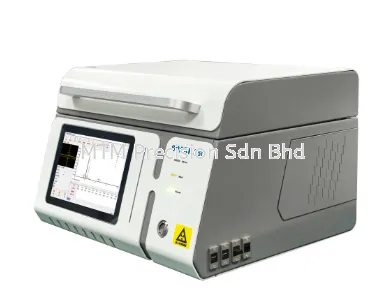
A Fosensor FS11301-based monitoring system may be considered when continuous measurement, alarms or control outputs are required.
Before ordering, confirm:
-
Sensor type
-
Measurement range
-
Alarm stages
-
Alarm adjustment method
-
Audible and visual warning options
-
Relay output
-
Communication protocol
-
Remote notification capability
-
Data-recording function
-
Ventilation-control requirement
-
Power supply
-
Installation environment
Available functions depend on the selected configuration and connected system.
Every Alarm Must Have a Response Plan
A monitoring system is incomplete if workers do not know what to do after an alarm.
The factory should define:
-
Who receives the alarm?
-
Who verifies the affected area?
-
Can workers remain in the area?
-
Should the production process stop?
-
Should ventilation start automatically?
-
Is a portable instrument required for confirmation?
-
Who records the incident?
-
When can the alarm be reset?
-
Who authorises normal operation to resume?
-
When must external professional assistance be obtained?
These actions should be documented and communicated to relevant employees.
Test the Alarm Function Regularly
A display may continue showing measurements even when an external buzzer, warning light, relay or communication connection has failed.
Factories should periodically check:
-
Audible alarm
-
Warning light
-
Relay operation
-
Remote notification
-
Communication connection
-
Backup power
-
Exhaust-fan response
-
Alarm acknowledgement
-
Data recording
-
Staff response procedure
The testing frequency should follow the monitoring system requirements and factory risk-management plan.
Do Not Rely on One Instrument Alone for Major Decisions
If an unexpected reading could result in production shutdown, evacuation or another major action, the factory may need to confirm:
-
Whether the sensor is exposed to interference
-
Whether the reading is repeatable
-
Whether another suitable instrument gives a similar result
-
Whether ventilation or process conditions have changed
-
Whether the sensor requires inspection or replacement
Safety actions should follow established procedures. Verification should not delay an urgent response when an immediate hazard is suspected.
Conclusion
Environmental alarm levels should be based on normal factory conditions, applicable requirements, process risk and a defined response procedure.
Factories should establish baseline readings, use appropriate warning stages, avoid nuisance alarms and verify that every alarm produces a clear operational response.
A well-planned alarm system does more than display numbers—it helps maintenance and safety teams act before an environmental problem becomes more serious.
Meta Description: Learn how to set environmental monitor alarm levels for factories in Malaysia. Understand warning stages, baseline readings, alarm delays and response planning.
Contact MTM Precision
MTM Precision Sdn. Bhd.
Showroom & Service Centre
No. 29-1 & 29-2, Jalan Bandar 18,
Pusat Bandar Puchong,
47160 Puchong, Selangor, Malaysia
🌐 Website: www.mtmpre.com.my
📧 Email: mtmpre@yahoo.com
📱 WhatsApp: +6016-660 7346
01 Sep 2026
