







How to Detect Electrical Hotspots in a Data Centre Using a Thermal Camera Malaysia

Electrical hotspots can develop inside a data centre long before equipment fails or a circuit protection device operates.
Loose connections, overloaded circuits, unbalanced loads and deteriorating components may produce excessive heat while still appearing normal during visual inspection.
Using a thermal camera for data centre inspection allows Malaysian technicians to identify abnormal temperature patterns without touching the equipment.
What Is an Electrical Hotspot?
An electrical hotspot is an area that operates at a noticeably higher temperature than surrounding or comparable components.
Hotspots may develop because of:
Loose electrical connections
High contact resistance
Overloaded circuits
Unbalanced electrical loads
Damaged cables
Deteriorated insulation
Corroded terminals
Faulty circuit breakers
Poor ventilation
Cooling-system problems
Worn electrical components
A hotspot does not always confirm an immediate failure. However, it indicates an abnormal condition that should be investigated.
Why Are Hotspots Dangerous in a Data Centre?
Data centres operate continuously and depend on a stable electrical supply. A developing electrical fault may affect critical IT equipment, cooling systems or backup power.
If left uncorrected, abnormal heating may lead to:
Equipment deterioration
Cable-insulation damage
Circuit-breaker failure
UPS problems
Unexpected shutdown
Fire risk
Increased energy loss
Damage to connected equipment
Data-centre downtime
Routine thermal hotspot detection helps maintenance teams identify these conditions at an earlier stage.
Where Should Thermal Inspections Be Performed?
A data centre contains several areas where electrical and mechanical heat patterns should be checked.
UPS Systems
Inspect:
Input and output terminals
Cable connections
Circuit breakers
Internal ventilation areas
Battery connections
Bypass connections
Power modules
Cooling fans
Compare similar connections operating under similar loads. One terminal that is noticeably hotter than the others may require further investigation.
Switchgear and Distribution Boards
Check:
Circuit-breaker connections
Busbar joints
Cable terminations
Contactors
Fuses
Isolators
Distribution terminals
Neutral connections
The inspection must follow the site’s electrical safety procedures. Only authorised personnel should access live electrical panels.
Transformer Connections
Inspect accessible:
Cable terminations
Bushings
Connection points
Cooling surfaces
Ventilation openings
Comparable phases
Abnormal heating on one phase may be associated with an unbalanced load, poor connection or another electrical condition.
Network Rack Power Connections
Check:
Rack power distribution units
Plugs and sockets
Power adapters
Cable connections
High-load equipment
Ventilation around power supplies
Network racks may contain several heat-producing devices in a restricted space. Thermal inspection helps distinguish normal operating heat from unusual localised heating.
Cooling-System Equipment
Inspect:
Fan motors
Pump motors
Electrical terminals
Bearings
Control panels
Compressor connections
Air-conditioning electrical components
A cooling-system fault may indirectly increase the temperature of the entire server room.
How to Perform a Data Centre Thermal Inspection
Step 1: Review the Equipment
Identify the equipment to be inspected and confirm:
Equipment type
Normal operating condition
Current load
Previous inspection records
Known problem areas
Applicable safety restrictions
Thermal results are more useful when the technician understands how the equipment normally operates.
Step 2: Inspect Under Normal Load
Whenever practical and safe, perform thermal inspection while the equipment is operating under a representative load.
An unloaded or lightly loaded component may not produce enough heat to reveal a developing problem.
Record the approximate operating load when possible.
Step 3: Scan the Entire Area
Begin with a wider view to identify general temperature patterns.
Then inspect individual:
Connections
Terminals
Breakers
Cables
Power modules
Motors
Ventilation areas
Avoid examining only locations where a fault is already suspected.
Step 4: Compare Similar Components
Comparison is one of the most useful thermal-inspection methods.
Compare:
Phase to phase
Breaker to breaker
Terminal to terminal
Similar UPS modules
Similar rack power units
Identical motors
Current image to previous inspection image
A significant difference between comparable components may indicate an abnormal condition.
Step 5: Capture Thermal and Visual Evidence
Save clear images showing:
The complete equipment
The hotspot location
The temperature pattern
A corresponding visual view, when available
Equipment identification
Inspection date and operating condition
Good documentation makes follow-up investigation easier.
Step 6: Confirm the Finding
A thermal camera detects surface-temperature patterns, but it does not automatically determine the exact fault.
Further checks may include:
Current measurement with a clamp meter
Voltage measurement
Load comparison
Connection inspection
Torque checking during safe shutdown
Insulation testing
Airflow measurement
Review of equipment alarms
The appropriate confirmation method depends on the equipment and site procedure.
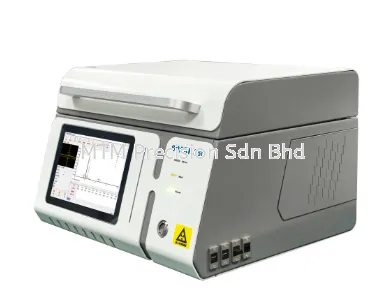
Using the Noyafa NF-522 Thermal Camera
The Noyafa NF-522 Thermal Camera can be positioned as a practical inspection tool for:
Server-room electrical inspection
UPS hotspot detection
Switchgear inspection
Distribution-board inspection
Network-rack temperature checking
Cooling-system maintenance
General data-centre preventive maintenance
It provides technicians with a visual temperature pattern that is easier to understand than a single non-contact temperature reading.
For routine maintenance teams, portability is particularly useful when inspecting multiple panels, racks and equipment rooms.
Thermal Camera Versus Infrared Thermometer
An infrared thermometer measures the temperature of one targeted area.
A thermal camera displays a broader temperature pattern across the equipment.
Inspection requirementThermal cameraInfrared thermometerScan a complete electrical panelSuitableLimitedLocate an unknown hotspotSuitableMore difficultCompare multiple connectionsEasyRequires individual readingsCapture a thermal imageYesUsually noMeasure one known pointYesYesDocument temperature distributionStrong advantageLimited
An infrared thermometer remains useful for basic temperature checks, but a thermal camera is generally more effective when the hotspot location is unknown.
Common Thermal Inspection Mistakes
Inspecting Equipment Without Sufficient Load
Low-load equipment may not show the same thermal pattern that occurs during normal operation.
Judging Only by the Highest Temperature
The absolute temperature is important, but comparison with similar components is also necessary.
Ignoring Reflections
Shiny metal surfaces may reflect heat from nearby objects and create misleading thermal patterns.
Standing Too Far Away
Excessive distance may make a small hotspot difficult to identify.
Failing to Record Operating Conditions
Temperature findings are difficult to compare when the equipment load and room conditions are unknown.
Opening Live Panels Without Proper Authorisation
Thermal inspection does not remove electrical hazards. Site safety procedures and appropriate personal protective equipment must always be followed.
What Should Be Included in a Thermal Inspection Report?
A practical report may include:
Equipment name and location
Inspection date and time
Technician’s name
Server-room ambient temperature
Equipment operating load
Thermal image
Visual image
Maximum observed temperature
Comparable-component temperature
Description of the abnormal pattern
Recommended follow-up action
Repair priority
Reinspection date
Consistent reporting allows maintenance teams to track whether a hotspot is stable, improving or becoming worse.
How Often Should Data Centre Thermal Inspection Be Performed?
The inspection frequency depends on:
Equipment criticality
Electrical loading
Manufacturer recommendations
Previous thermal findings
Site maintenance policy
Environmental conditions
Age of the installation
History of electrical faults
Critical equipment or connections with previous abnormal readings may require more frequent inspection.
Detect Problems Before Equipment Failure
Thermal inspection is a practical part of data centre preventive maintenance because it helps technicians locate abnormal heat without interrupting normal operation.
By inspecting UPS systems, transformers, switchgear, electrical panels, network racks and cooling equipment, maintenance teams can identify developing problems earlier and schedule corrective work before unexpected downtime occurs.
Contact MTM Precision
MTM Precision Sdn. Bhd.
Showroom & Service Centre
No. 29-1 & 29-2, Jalan Bandar 18,
Pusat Bandar Puchong,
47160 Puchong, Selangor, Malaysia
🌐 Website: www.mtmpre.com.my
📧 Email: mtmpre@yahoo.com
📱 WhatsApp: +6016-660 7346
01 Sep 2026


