






Understanding RF Measurement Units on TENMARS TM-195 Malaysia

Understanding RF Measurement Units on TENMARS TM-195 Malaysia
When using an RF field strength meter, one of the most common sources of confusion is the measurement unit.
Two RF measurements can show very different numbers simply because the meter is displaying them in different units.
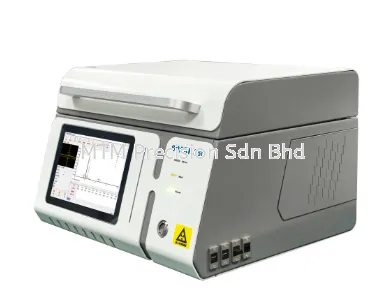
The TENMARS TM-195 3-Axis RF Field Strength Meter is designed for broadband RF electromagnetic field measurements from 50 MHz to 3.5 GHz.
Understanding what the displayed unit represents is important before comparing readings, setting an alarm or preparing a measurement report.
Why Are There Different RF Measurement Units?
An electromagnetic field can be described in several ways.
Depending on the instrument and application, an RF meter may display measurements relating to:
Electric field strength
Magnetic field strength
RF power density
These describe different aspects of the electromagnetic field.
Therefore, users should never compare numbers without first checking the measurement unit.
Electric Field Strength
Electric field strength describes the electric component of the electromagnetic field.
A common unit is:
V/m
This means volts per metre.
For example, an RF meter may display an electric field measurement at a particular location.
If you move closer to or farther from the RF source, the reading may change.
The measurement can also change because of reflections, antenna direction and transmitter activity.
Magnetic Field Strength
RF electromagnetic fields also contain a magnetic component.
Depending on the meter, magnetic field strength may be displayed using units based on amperes per metre.
For normal users, the important point is not memorising every unit.
The important point is understanding:
Electric field, magnetic field and power density are not the same measurement quantity.
What Is RF Power Density?
Power density describes RF power distributed over an area.
It is commonly used when discussing RF fields around:
Wireless equipment
RF transmitters
Telecommunications installations
Communication antennas
Other RF sources
The TM-195 can provide RF measurements in power-density-related units.
When comparing power density measurements, always use the same unit.
Why Can the Same RF Field Show Different Numbers?
Suppose you change the display from one measurement unit to another.
The number on the screen may change significantly.
This does not necessarily mean that the RF field itself suddenly changed.
It may simply mean that the same measurement is being expressed differently.
This is similar to measuring distance in:
Metres
or:
Centimetres
The numerical value changes because the unit changes.
Therefore, always record the unit together with the reading.
Never Record Only the Number
A measurement record such as:
Reading = 12
is incomplete.
The first question should be:
12 what?
A proper RF measurement record should include both:
Measurement value + Measurement unit
Without the unit, the result can easily be misunderstood.
Why Units Matter When Comparing Locations
Imagine measuring four locations in an office.
You record:
Location A - 2.5
Location B - 4.1
Location C - 1.8
Location D - 3.2
These values are only useful if all four measurements use the same unit.
If one measurement was recorded using a different unit, the comparison may become misleading.
For site surveys, choose one unit and use it consistently.
Why Units Matter When Using MAX
MAX records the highest observed measurement during the measurement period.
When recording MAX, always include the measurement unit.
For example:
Location
MAX reading
Measurement unit
Observation period
This provides a much clearer measurement record.
Why Units Matter When Using AVG
The same principle applies to AVG.
An average measurement without a unit is incomplete.
For comparative surveys, record:
Current reading
MAX reading
AVG reading
Measurement unit
This makes the results easier to interpret later.
Why Units Matter When Setting an Alarm
An RF alarm threshold also needs a measurement unit.
For example:
Alarm threshold = 10
does not provide enough information.
A threshold only has meaning when the measurement unit is known.
This is especially important when different people are using the same meter or reviewing the same measurement report.
Can You Compare Different RF Units Directly?
Not by simply comparing the displayed numbers.
Different RF units describe the field using different quantities or scales.
If conversion is required, use the correct relationship and confirm that the conversion is appropriate for the measurement conditions.
For normal field surveys, the simplest method is often:
Select one suitable unit and keep using the same unit throughout the survey.
This reduces confusion.
Example - Office RF Survey
A technician wants to compare RF measurements around a compatible wireless system.
Measurement locations are:
Point A - Near access point
Point B - Workstation
Point C - Meeting room
Point D - Corridor
Before starting, select one measurement unit.
Then use the same unit at every location.
Record:
Current
MAX
AVG if required
This creates a much more useful comparison.
Example - Factory RF Survey
A factory maintenance team wants to compare RF field measurements around wireless communication equipment.
Instead of writing:
Control Room - 3.2
Operator Area - 5.4
Equipment Area - 8.1
record the complete information:
Location
Measurement value
Measurement unit
MAX
AVG
Equipment operating condition
This prevents confusion when the results are reviewed later.
Example - Telecom Measurement
A technician takes measurements around compatible telecommunications equipment.
Several people may review the report later.
If the report contains only numbers, another person may not know how to interpret them.
Always include:
Measurement location
Measurement value
Measurement unit
Date and time
Instrument model
Operating condition
Relevant remarks
Good documentation is part of good measurement practice.
Does Changing the Unit Change the Actual RF Field?
No.
Changing the display unit does not physically change the RF field in the environment.
It changes how the measurement is expressed.
This is an important concept for new users.
If the displayed number changes immediately after changing units, do not assume that the RF source suddenly became stronger or weaker.
Which Unit Should I Use?
The correct unit depends on:
Measurement objective
Customer requirement
Internal company procedure
Applicable standard
Type of report
Reference data being used
For general comparison work, consistency is often more important than frequently switching between units.
If you need to compare your measurement with a specification or standard, use the measurement quantity and unit required by that reference.
Measurement Unit Does Not Determine Safety
A measurement unit only describes how the RF measurement is expressed.
It does not tell you by itself whether a measurement is safe or unsafe.
Interpretation may also depend on:
Frequency
Applicable exposure guideline
Exposure category
Averaging period
Measurement procedure
Instrument requirements
Do not interpret an isolated number without this context.
Remember the TM-195 Frequency Range
The TENMARS TM-195 is designed for broadband RF measurements from:
50 MHz to 3.5 GHz
Changing the measurement unit does not change this frequency range.
If the RF source is outside the specified frequency range, selecting a different display unit does not make the TM-195 suitable for that source.
Does TM-195 Identify the Frequency?
No.
The TM-195 is a broadband RF field strength meter.
The displayed measurement unit tells you how the RF field measurement is being expressed.
It does not tell you the exact RF frequency.
If exact frequency identification is required, a spectrum analyser or another frequency-selective instrument may be necessary.
Common RF Measurement Unit Mistakes
Avoid these common mistakes:
Recording a number without its unit
Comparing readings using different units
Changing units halfway through a site survey
Assuming a larger displayed number always means a stronger field
Setting an alarm without checking the selected unit
Comparing a measurement directly with a limit expressed in another unit
Assuming changing the unit changes the actual RF field
Confusing measurement units with RF frequency
These mistakes can make otherwise useful measurements difficult to interpret.
Simple RF Measurement Record
A practical record can include:
Date:
Time:
Location:
Equipment:
Operating Frequency:
Instrument: TENMARS TM-195
Measurement Unit:
Current Reading:
MAX Reading:
AVG Reading:
Alarm Setting:
Remarks:
Use the same format throughout the survey.
TENMARS TM-195 RF Measurement Malaysia
Understanding RF measurement units is an important part of using the TENMARS TM-195 correctly.
Remember three simple rules:
Always check the measurement unit.
Always record the unit together with the reading.
Use the same unit when comparing different locations.
The TM-195 can be used for general broadband RF field measurements around compatible wireless, RF and telecommunications equipment within its specified 50 MHz to 3.5 GHz frequency range.
If you are unsure which measurement unit or RF meter is suitable for your application, send MTM Precision details of the equipment you want to measure.
Contact MTM Precision Sdn Bhd
Showroom & Service Centre: Puchong, Selangor, Malaysia
Operating Hours: Monday-Friday, 9:00 AM-6:00 PM
Tel: 03-8080 7172
WhatsApp: +6016-660 7346
Email: mtmpre@yahoo.com
Website: www.mtmpre.com.my
Serving customers throughout Malaysia, including Selangor, Kuala Lumpur, Johor, Penang, Melaka, Negeri Sembilan, Perak, Pahang, Kelantan, Terengganu, Kedah, Perlis, Sabah and Sarawak.
Keywords: TENMARS TM-195 Measurement Units | TENMARS TM-195 Malaysia | RF Measurement Units | RF Field Strength Meter Malaysia | RF Power Density Meter | 3-Axis RF Meter Malaysia | RF Testing Malaysia
20 Sep 2026


