






UNI-T UT381PV with UT541 I-V Curve Analyzer for Complete PV Testing Malaysia

UNI-T UT381PV with UT541 I-V Curve Analyzer for Complete PV Testing Malaysia
Content
Solar panel performance cannot be evaluated from electrical readings alone. Irradiance, panel temperature, installation angle and orientation all affect the result.
The UNI-T UT381PV Solar Irradiance Meter records the environmental and installation conditions, while the UNI-T UT541 15kW Photovoltaic I-V Curve Analyzer evaluates the electrical performance of the PV system.
Using both instruments provides a more complete approach to solar installation, commissioning and troubleshooting.
Role of the UNI-T UT381PV
The UT381PV measures the conditions affecting solar panel performance:
- Solar irradiance: 0 to 1400 W/m²
- Temperature: −40°C to 120°C
- Inclination: −90° to +90°
- Azimuth: 0° to 360°
- Ambient temperature
- Solar panel surface temperature
It also provides:
- Storage for 12,800 measurement sets
- Adjustable recording intervals
- Bluetooth connection to the iENV App
- IP65 protection
- UV-resistant housing
- Two-metre drop resistance
- Quick-release mounting bracket
These measurements help explain the operating conditions present during the electrical test.
Role of the UNI-T UT541
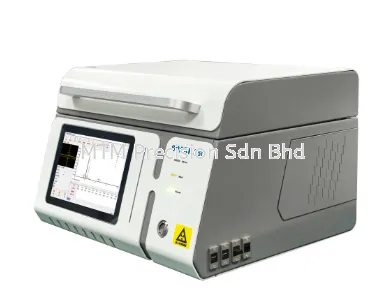
The UT541 is a 15kW Photovoltaic I-V Curve Analyzer designed for more detailed PV electrical-performance testing.
I-V curve analysis helps technicians assess the relationship between voltage and current across the operating range of the PV system.
This information may support investigation of:
- Reduced power output
- Module mismatch
- String-performance differences
- Shading effects
- Contamination
- Module degradation
- Connection problems
- Suspected PV faults
The applicable test configuration and safety procedure must be confirmed before connecting the analyser.
Why Environmental Data Is Important
An I-V curve reflects both the condition of the PV system and the environment present during testing.
Electrical results can be affected by:
- Solar irradiance
- Panel temperature
- Cloud cover
- Haze
- Partial shading
- Panel inclination
- Panel orientation
- Time of day
Without these measurements, a low electrical result may be incorrectly attributed to a defective panel.
The UT381PV provides the environmental reference needed to interpret the UT541 results more meaningfully.
Recommended Testing Sequence
A practical test sequence is:
- Review the PV system drawings and specifications.
- Inspect the panels, cables and connectors.
- Check for dirt, damage and shading.
- Position the UT381PV in the same plane as the panels.
- Measure and record solar irradiance.
- Attach the temperature probe to the panel surface.
- Record ambient and panel temperatures.
- Verify the inclination angle.
- Confirm the azimuth direction.
- Connect and operate the UT541 according to the required procedure.
- Record the I-V curve results.
- Compare the electrical data with the environmental conditions.
- Repeat the test when necessary.
- Document any limitations caused by unstable weather.
Irradiance and temperature should be recorded as close as possible to the time of the I-V curve test.
Investigating a Low-Output Array
Suppose one PV array produces less power than another.
Start with the UT381PV to determine whether the arrays have similar:
- Solar irradiance
- Panel temperature
- Inclination
- Azimuth
- Shading conditions
If the environmental and installation conditions are significantly different, correct or document those differences before comparing the electrical results.
If the conditions are similar but the I-V curve remains abnormal, further investigation may be required.
Comparing PV Strings
When comparing several strings:
- Use the same test procedure
- Record irradiance for every test
- Measure panel temperature
- Complete the tests within a short period
- Monitor changing clouds
- Keep the sensor correctly aligned
- Identify every string clearly
- Save the test results
Data logging on the UT381PV can help identify whether changing sunlight influenced the string comparison.
Testing During Unstable Weather
Passing clouds can change irradiance during an I-V curve test.
When weather conditions are unstable:
- Use a short UT381PV recording interval
- Observe the irradiance trend
- Record the exact test time
- Repeat the I-V curve test when required
- Avoid comparing results taken under very different conditions
- State the weather limitation in the report
A test taken under rapidly changing sunlight may not provide a fair comparison between arrays.
Information to Include in the Report
A complete PV test report should record:
- Project and site details
- Panel and inverter information
- Array or string identification
- Test date and time
- Solar irradiance
- Ambient temperature
- Panel temperature
- Inclination
- Azimuth
- Weather condition
- Visible shading
- Panel cleanliness
- I-V curve results
- Photographs
- Observations
- Recommended corrective action
Environmental and electrical results should be kept together so that the customer can understand the basis of the diagnosis.
Suitable Applications
The UT381PV and UT541 combination is suitable for:
- PV system commissioning
- Solar farm maintenance
- Commercial rooftop inspection
- Industrial solar installations
- Low-output troubleshooting
- String comparison
- Preventive maintenance
- PV laboratory testing
- Post-repair verification
- Performance documentation
Important Safety Considerations
I-V curve testing involves direct connection to photovoltaic electrical circuits.
Before testing:
- Confirm the system voltage and power
- Verify the instrument’s applicable limits
- Follow the manufacturer’s procedure
- Inspect all test leads and connectors
- Use suitable personal protective equipment
- Follow the site’s isolation requirements
- Avoid unsafe work during rain
- Ensure that testing is performed by qualified personnel
The UT381PV itself measures environmental conditions, but the UT541 electrical test requires proper PV safety procedures.
Using the UNI-T UT381PV and UT541 together gives technicians both sides of the performance assessment: the sunlight and temperature available to the panels, and the electrical response produced by the PV system.
For assistance selecting the UNI-T UT381PV and UT541 for photovoltaic testing in Malaysia, contact MTM Precision.
MTM Precision Sdn Bhd
Showroom & Service Centre: No. 29-1 & 29-2, Jalan Bandar 18, Pusat Bandar Puchong, 47160 Puchong, Selangor, Malaysia
Tel: 03-8080 7172
WhatsApp: +6016-660 7346
Email: mtmpre@yahoo.com
Website: www.mtmpre.com.my
30 Sep 2026
