






Network Not Working After Office Renovation – FNIRSI LPM-10A Troubleshooting Malaysia

Network Not Working After Office Renovation – FNIRSI LPM-10A Troubleshooting Malaysia
The office network was working normally before renovation.
After the renovation, several LAN points suddenly stop working.
Some computers have no network.
A Wi-Fi access point is offline.
One IP camera has disappeared from the system.
What happened?
Office renovation can affect existing network cabling even when nobody intentionally changes the IT system.
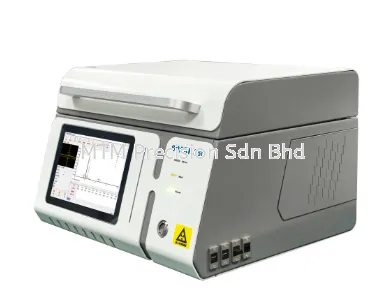
For IT technicians, network contractors and building maintenance teams in Malaysia, the FNIRSI LPM-10A Network Cable Tester can help trace, identify and troubleshoot Ethernet connections after renovation work.
FNIRSI LPM-10A Feature Summary
| Function | Typical Use |
|---|---|
| Cable Tracing | Find cables affected or moved during renovation |
| Wire Map Testing | Check RJ45 wiring and connection faults |
| Cable Length Measurement | Check approximate installed cable length |
| PoE Detection | Check PoE information for CCTV, AP and other PoE connections |
| Port Flash | Help identify the corresponding network switch port |
| Network Speed Test | Assist with basic network connection troubleshooting |
| NCV Detection | Supplementary non-contact voltage checking |
| Colour Display | Easier viewing during field work |
After renovation, the key question is:
What changed between the network point and the switch?
Why Can Renovation Affect Network Cables?
Network cables often run through areas that renovation contractors need to access.
For example:
Above ceilings
Inside partitions
Under raised floors
Along cable trays
Behind wall panels
Near electrical wiring
Around office furniture
During renovation, cables may be:
Moved
Pulled
Crushed
Disconnected
Cut
Re-terminated
Re-routed
Mixed up with other cables
The damage may not be visible from the finished office.
First Question: How Many Network Points Are Affected?
Before opening anything, determine the pattern.
Only One LAN Point Is Dead
Start with the individual connection.
Investigate:
Patch cable
Wall outlet
Permanent cable
Patch-panel termination
Switch port
Several Points in the Same Renovated Area Are Dead
Now the renovation itself becomes a stronger clue.
Look for a shared cable route or cabinet connection.
Entire Office Network Is Down
Investigate shared infrastructure first:
Network switch
Switch power
Router
Uplink
Building power
Network configuration
Do not start testing 50 individual wall sockets if the main switch has no power.
Step 1: Compare with the Pre-Renovation Layout
If old drawings or photographs are available, compare them with the new office layout.
Ask:
Were partitions moved?
Were network points relocated?
Was the ceiling opened?
Were cable trays changed?
Was the network cabinet moved?
Were desks relocated?
The renovation history can tell you where to investigate first.
Step 2: Inspect the New LAN Points
Check each affected RJ45 wall outlet.
Look for:
Loose faceplates
Poor termination
Damaged keystone jacks
Incorrect labels
Incomplete connections
Physical damage
If the network outlet was moved during renovation, the termination should be checked carefully.
Step 3: Test the RJ45 Wiring
Use the FNIRSI LPM-10A wire-map testing function to investigate the network cable.
This helps identify whether the expected connections are present.
If a cable worked before renovation but now shows a wiring problem, investigate the areas that were modified.
Possible causes include:
Re-termination error
Cable damage
Loose connection
Incorrect patch-panel termination
Do not assume the network switch is faulty before checking the physical connection.
Step 4: Trace the Cable
Renovation can create a second problem:
The cable still works, but nobody knows which cable it is anymore.
Labels may no longer match the new office layout.
For example:
Old label:
Workstation 12
After renovation, that area is now:
Meeting Room B
Use the LPM-10A cable tracing function to identify the actual cable rather than relying only on old labels.
Step 5: Find the Correct Patch-Panel Position
Once the cable is traced back to the network cabinet, determine where it terminates.
Check whether the patch-panel connection is:
Correctly terminated
Properly labelled
Connected to the switch
Loose
Damaged
Sometimes the renovation contractor moves the wall point but the network side is never properly reconnected.
The cable itself may be fine.
Step 6: Identify the Switch Port
If the cable is connected to the network switch, identify the relevant switch port.
The FNIRSI LPM-10A port flash function can assist with this process.
This is particularly useful when the network cabinet contains:
Multiple switches
24-port switches
48-port switches
Poorly labelled patch cables
After finding the correct port, you can investigate the actual network connection rather than guessing.
Step 7: Check Cable Length
Cable length measurement can provide useful clues after renovation.
Suppose the original network point was moved only a few metres.
But the contractor extended the existing cable rather than installing a completely new run.
Understanding the approximate cable length may help you investigate how the connection was modified.
The LPM-10A cable length measurement function provides additional troubleshooting information.
However:
Cable length alone does not prove where a fault is located.
Use it together with physical inspection and other tests.
Step 8: Check PoE Devices
Renovation often affects more than desktop LAN points.
Modern offices may also contain:
IP cameras
Wi-Fi access points
VoIP phones
Other PoE devices
If one of these devices stops working after renovation, investigate both:
Power
and
Data
The LPM-10A PoE detection capability can assist with PoE-related troubleshooting.
Example: Wi-Fi AP Offline After Ceiling Work
An office has ceiling work performed.
After renovation, one Wi-Fi access point no longer operates.
The AP itself may not be faulty.
The Ethernet cable above the ceiling could have been:
Pulled
Disconnected
Crushed
Reconnected incorrectly
A logical troubleshooting sequence is:
Inspect AP connection
↓
Check PoE
↓
Test cable
↓
Trace cable
↓
Identify switch port
↓
Investigate network configuration if necessary
Do not replace the AP before checking its network connection.
Example: IP Camera Offline After Renovation
A contractor installs new ceiling panels.
After the work, one IP camera shows:
Offline
The camera still looks physically undamaged.
Start by investigating the network connection.
Check:
RJ45
PoE
Cable
Switch port
Camera network configuration
The timing is important.
If the problem began immediately after renovation, inspect the areas affected by the work.
Example: New Meeting Room Has No LAN
An old open-office area is converted into a meeting room.
The contractor reuses an existing Ethernet cable.
After completion, the new meeting-room LAN point does not work.
Possible causes include:
Wrong cable identified
Incorrect RJ45 termination
Patch panel not connected
Old switch port disabled
Cable damaged during partition work
The LPM-10A can help investigate the physical path before the IT team starts changing network settings.
Cable Passes but Network Still Doesn't Work
Suppose the wire-map test appears normal.
Do not stop troubleshooting.
Continue checking:
Correct cable identification
Switch port
Network connection
DHCP
IP address
VLAN
Router
Network policy
A physically connected cable does not automatically guarantee network access.
Network Works but Is Suddenly Slow
Renovation-related problems are not always complete failures.
Users may report:
Slow file transfer
Unstable network
Intermittent connection
CCTV video dropping
Wi-Fi AP disconnecting
A basic continuity test may not explain every performance issue.
Use the available network testing information and compare the affected point with a known-good connection.
Old Labels Are a Major Problem
After office renovation, cable labels can become misleading.
For example:
Desk A08
may no longer exist.
The same cable might now serve:
Meeting Room 3
If the network cabinet still says A08, future technicians will be confused.
After tracing and identifying the connection:
Update the label.
Good documentation reduces future troubleshooting time.
Should You Replace All the Old Network Cables?
Not automatically.
Existing cabling may still be usable.
Evaluate:
Physical condition
Termination
Cable type
Required application
Network performance requirements
Installation condition
Replace cabling when there is a technical reason to replace it, not simply because the office was renovated.
Can LPM-10A Certify the Renovated Network?
No.
The FNIRSI LPM-10A is a network installation and troubleshooting tester, not a replacement for professional structured-cabling certification equipment.
For troubleshooting, it can help with:
Wire map
Cable tracing
Cable length
PoE
Switch-port identification
For projects requiring formal cabling certification, use the appropriate professional certification tester.
Before the Renovation Contractor Leaves
Ideally, network points should be checked before the renovation project is considered complete.
Verify:
Required LAN points
RJ45 termination
Cable identification
Patch-panel labels
Switch connections
PoE devices
Wi-Fi AP connections
IP CCTV connections
Finding problems while the contractor is still on site is much easier than discovering them weeks later.
A Better Post-Renovation Network Checklist
Use this sequence:
Compare old and new layout
↓
Identify affected network points
↓
Inspect RJ45 outlets
↓
Check wire map
↓
Trace cables
↓
Confirm patch-panel positions
↓
Identify switch ports
↓
Check PoE devices
↓
Test network connection
↓
Update labels and documentation
This turns an undocumented renovation into a manageable troubleshooting process.
FNIRSI LPM-10A for Office Renovation Malaysia
The FNIRSI LPM-10A is particularly useful when an existing network has been modified and technicians need to rediscover the physical connections.
Instead of immediately installing new cables, you can first determine:
Which cable is which?
Is the wiring normal?
Where does the cable terminate?
Which switch port is connected?
Is PoE available?
Can the existing network point still be reused?
For network contractors and IT maintenance teams, these questions can save considerable troubleshooting time.
FNIRSI LPM-10A Network Cable Tester Malaysia
If your office network worked before renovation but developed problems afterward, investigate the physical network changes systematically.
The FNIRSI LPM-10A combines cable tracing, wire-map testing, cable length measurement, PoE detection, port identification and network-related testing for practical network maintenance.
For FNIRSI LPM-10A availability, technical enquiries or help selecting a suitable network cable tester, contact MTM Precision Sdn Bhd.
MTM Precision Sdn Bhd
Showroom & Service Centre:
No. 29-1 & 29-2, Jalan Bandar 18,
Pusat Bandar Puchong,
47160 Puchong, Selangor, Malaysia.
Tel: 03-8080 7172
WhatsApp: +6016-660 7346
Email: mtmpre@yahoo.com
Website: www.mtmpre.com.my
If your LAN, CCTV or Wi-Fi connection stopped working after renovation, WhatsApp us a photo of the RJ45 outlet, network cabinet, patch panel, PoE switch or affected installation and explain what changed.
Supply and enquiries throughout Malaysia, including Selangor, Kuala Lumpur, Johor, Penang, Melaka, Negeri Sembilan, Perak, Pahang, Kelantan, Terengganu, Kedah, Perlis, Sabah and Sarawak.
06 Oct 2026
