





What Is a Reagent-Free Water Quality Tester? Linshang LS310 & LS311 Malaysia

What Is a Reagent-Free Water Quality Tester? Linshang LS310 & LS311 Malaysia
Traditional water quality testing often involves chemical reagents, sample preparation and laboratory procedures.
For routine field screening, however, users may want a faster and more convenient method.
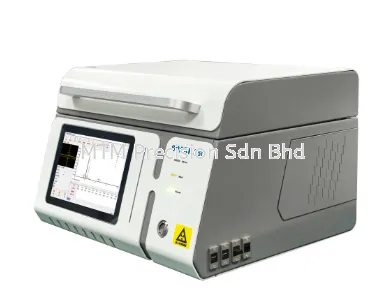
The Linshang LS310 and LS311 Water Quality Testers are designed for reagent-free multi-parameter water quality measurement, making them particularly interesting for users who need frequent screening and comparison of suitable water samples.
The LS310 measures six parameters, while the LS311 expands the capability to nine parameters.
What Does Reagent-Free Water Testing Mean?
Reagent-free testing means that users do not need to add conventional chemical reagents to the water sample for the routine measurements performed by the instrument.
This can simplify the testing process.
Instead of:
Sample → Add Reagent → Reaction → Analysis
the workflow can be much more convenient for routine screening.
This is especially useful when many samples need to be compared.
Why Are Reagents Used in Traditional Water Testing?
Many established laboratory methods use reagents because they rely on specific chemical reactions to determine the concentration of a substance.
These methods remain important, particularly for:
Regulatory testing
Accredited laboratory analysis
Environmental compliance
Detailed chemical analysis
Official reporting
Reagent-free portable testing serves a different purpose.
Its major strengths are speed, convenience and routine screening.
Linshang LS310: Six Parameters
The Linshang LS310 provides:
COD
TOC
TDS
UV275
EC
Temperature
This makes it suitable for applications such as:
Drinking water screening
Tap water
Filtered water
RO water
Groundwater
Water treatment systems
Suitable industrial water
Linshang LS311: Nine Parameters
The Linshang LS311 provides the same six parameters and adds:
Salinity
GH – General Hardness
Specific Gravity
This expands its applications into areas such as:
Aquaculture
Fish farms
Shrimp farms
Seawater
Marine aquariums
Hatcheries
Brackish-water systems
Why Is Reagent-Free Testing Convenient?
Faster Routine Screening
Removing reagent preparation can simplify the workflow when users need rapid measurements.
Easier Field Testing
Technicians may need to visit several locations in one day.
Reducing the amount of chemical preparation can make portable field testing easier.
Suitable for Frequent Measurements
Routine monitoring becomes more practical when the measurement process is convenient.
Easier Comparative Testing
Users can compare different samples, such as:
Before Treatment vs After Treatment
or:
Location A vs Location B
without preparing conventional reagents for each routine measurement supported by the instrument.
Application: Water Filter Companies
Water filtration companies frequently compare incoming and treated water.
A reagent-free multi-parameter tester can be useful for:
Tap Water → Filter → Treated Water
Instead of demonstrating only TDS, the LS310 can provide several parameters for comparison.
Application: Factory Water Monitoring
Factories may establish regular sampling points such as:
Incoming Water → Storage → Treatment → Point of Use
Technicians can record results periodically and compare them with baseline values.
If a significant change occurs, more detailed investigation can follow.
Application: Fish Farms
For aquaculture, the LS311 adds salinity, GH and specific gravity.
Operators can compare:
Water Source → Pond → Outlet
or monitor multiple ponds using the same portable instrument.
Reagent-free routine screening can be particularly convenient when many sampling locations need to be checked.
Application: Groundwater
Groundwater monitoring may involve repeated measurements from several wells or sampling points.
For suitable relatively clear samples, portable reagent-free screening can help users establish trends and identify unusual changes.
Does Reagent-Free Mean No Maintenance?
No.
Reagent-free does not mean maintenance-free.
Users still need to follow proper instrument procedures, including:
Keeping measurement areas clean
Using suitable samples
Preventing cross-contamination
Following the manufacturer's operating instructions
Storing the instrument correctly
Good measurement practice remains essential.
Does Reagent-Free Mean Laboratory Testing Is No Longer Necessary?
No.
This is an important distinction.
Portable reagent-free testing and laboratory analysis serve different purposes.
Reagent-Free Portable Tester
Useful for:
Fast screening
Routine monitoring
Field testing
Comparative measurement
Trend analysis
Laboratory Testing
Important for:
Regulatory compliance
Accredited results
Specific contaminant identification
Detailed chemical analysis
Microbiological testing
Official reporting
In many applications, the two approaches complement each other.
Can LS310 Replace Standard COD Testing?
If an application specifically requires a recognized laboratory COD method, users should follow that method.
The LS310's reagent-free approach should not automatically be considered interchangeable with every conventional COD laboratory procedure.
Its strength is rapid screening and routine comparative monitoring.
This distinction is particularly important for environmental and industrial users.
Reagent-Free vs Test Kits
Traditional water test kits can be useful and economical, especially for occasional measurements.
However, they may require:
Reagents
Consumables
Reaction time
Manual interpretation
Repeated preparation
A portable electronic tester can be more convenient when measurements are performed frequently.
The best choice depends on the required accuracy, parameter, method and application.
Which Model Should You Choose?
Choose the Linshang LS310 if your main applications involve:
Drinking water
Tap water
RO water
Filtered water
Groundwater
General water quality screening
Choose the Linshang LS311 if you additionally need:
Salinity
GH
Specific gravity
Aquaculture
Fish farm applications
Shrimp farming
Seawater
Aquarium testing
Why Reagent-Free Water Testing Is Useful for Routine Monitoring
The main advantage is not simply eliminating chemicals.
It is making frequent measurements easier.
When testing becomes faster and simpler, organizations can establish a more structured monitoring program:
Baseline → Routine Testing → Record Results → Compare Trends → Investigate Changes
This can be more useful than performing isolated measurements without historical comparison.
Reagent-Free Water Quality Tester Malaysia
For Malaysian users looking for a convenient way to perform multi-parameter water quality screening, the Linshang LS310 and LS311 offer two interesting options.
The LS310 provides six parameters for general water quality applications, while the LS311 expands to nine parameters for applications including aquaculture and seawater.
Both models are particularly relevant for users who value portable, rapid and reagent-free routine water quality screening.
Looking for Linshang LS310 or LS311 in Malaysia?
MTM Precision supplies professional water quality, environmental and industrial testing instruments in Malaysia.
Contact our team to discuss your water sample, required parameters and application so we can help you select a suitable water quality testing solution.
Contact MTM Precision
MTM Precision Sdn. Bhd.
Showroom & Service Centre
No. 29-1 & 29-2, Jalan Bandar 18,
Pusat Bandar Puchong,
47160 Puchong, Selangor, Malaysia
🌐 Website: www.mtmpre.com.my
📧 Email: mtmpre@yahoo.com
📱 WhatsApp: +6016-660 7346
16 Aug 2026
