





How to Choose a 395nm UV LED Energy Meter Linshang LS137 Buying Guide Malaysia

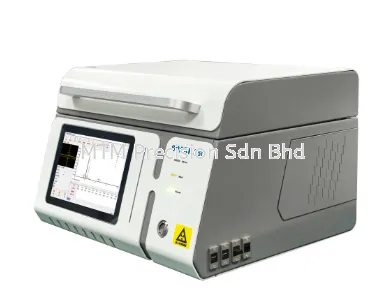
How to Choose a 395nm UV LED Energy Meter Linshang LS137 Buying Guide Malaysia Choosing a UV energy meter should not be based only on price, measurement range or brand. The most important question is whether the instrument is suitable for the UV wavelength and light source used in your curing process. For companies operating 395 nm UV LED curing systems, the Linshang LS137 UV Energy Meter is designed specifically for UV LED measurement and is calibrated using a 395 nm UV LED source. It can measure UV energy, UV irradiance and temperature, making it useful for production monitoring, quality control and troubleshooting. Why 395 nm Is Important in UV LED Curing Modern industrial UV curing systems increasingly use LED technology instead of traditional mercury lamps. Common UV LED wavelengths include: 365 nm 385 nm 395 nm 405 nm Among these wavelengths, 395 nm is widely used in industrial UV LED curing. Applications can include: UV printing UV ink curing UV coating Adhesive curing Electronics manufacturing PCB production Industrial assembly Automated curing lines If your equipment uses a 395 nm UV LED source, selecting a meter designed for UV LED measurement is important. What Is the Linshang LS137? The Linshang LS137 UV Energy Meter is a professional measuring instrument designed for UV LED curing applications. Its spectral response range is approximately: 340420 nm The instrument is calibrated using a: 395 nm UV LED source This makes it particularly relevant to users who need to monitor 395 nm industrial UV LED curing systems. What Does LS137 Measure? The LS137 provides several useful parameters during a UV curing cycle. These include: UV Energy UV energy represents the accumulated UV exposure received during the measurement period. This is particularly important in conveyor curing systems because exposure time affects the total UV dose. UV Irradiance UV irradiance indicates the instantaneous strength of the UV radiation reaching the detector. Peak UV Irradiance The meter can identify the maximum UV irradiance reached during the measurement. Measurement Duration Exposure time can be monitored together with the UV readings. Temperature The LS137 also measures temperature during the process. Maximum Temperature The maximum recorded temperature provides additional information about conditions inside the curing process. Together, these parameters provide a more complete picture than simply checking whether a UV lamp is operating. Check the Measurement Range Industrial UV LED curing systems can produce high irradiance. A meter intended for low-intensity UV inspection may nt be suitable for measuring a powerful curing source. The LS137 supports UV irradiance measurement up to: 40,000 mW/cm This high measurement capability is one reason the LS137 is suitable for industrial UV LED curing applications. Don't Confuse UV Energy with UV Intensity When purchasing a UV meter, customers often focus only on intensity. However, intensity and energy are not the same. UV Intensity = How strong is the UV radiation? UV Energy = How much accumulated UV exposure did the product receive? For curing applications, both can matter. For example, two products may pass underneath the same UV LED source. If Product A travels slowly and Product B travels quickly, they may experience similar peak UV intensity but different accumulated UV energy. This difference can affect curing quality. Consider Your Conveyor Speed Conveyor speed is one of the most important variables in industrial curing. When production speed increases: Exposure time decreases. When exposure time decreases: Accumulated UV energy may also decrease. This can create a situation where the UV LED system appears to be operating normally but the final product is under-cured. A UV energy meter helps quantify this relationship. Check Your UV Source Before Ordering Before purchasing any UV energy meter, identify the actual light source used by your machine. Look at: Machine manual UV LED module label Lamp specification Manufacturer documentation Wavelength marking If the specification states something such as: 395 nm UV LED then the LS137 should be considered. If the equipment uses a traditional high-pressure mercury lamp instead, a different meter such as the Linshang LS136 may be more appropriate. Why LS137 and LS136 Are Different The LS136 and LS137 may appear similar, but they are intended for different UV technologies. A simple selection rule is: UV LED → LS137 Traditional high-pressure mercury UV lamp → LS136 This distinction is important because UV LEDs and mercury lamps have different spectral output characteristics. The correct meter should match the light source. 365 nm, 385 nm, 395 nm or 405 nm? Customers sometimes ask whether wavelength really matters when selecting a UV meter. Yes, it does. A UV detector does not necessarily respond equally to every wavelength. The LS137 has a spectral response covering approximately 340420 nm, with calibration based on a 395 nm UV LED source. Therefore, when measurement accuracy and traceability are important, the actual wavelength of your UV source should always be considered. If you are unsure, provide the UV LED wavelength and application when requesting a quotation. Consider the Physical Measurement Process Another important buying consideration is how the meter will actually be used. Ask: Will it pass through a conveyor? Will it be placed underneath the UV LED module? How muh clearance is available? How long is the exposure cycle? What temperature will the instrument experience? How high is the expected UV intensity? These practical factors are just as important as the specification sheet. Use the Meter to Establish a Production Baseline Purchasing a UV energy meter is only the first step. The real value comes from using the instrument consistently. When production quality is good, record: UV peak intensity UV accumulated energy Exposure duration Maximum temperature Conveyor speed UV power setting Lamp distance Product type These measurements establish a known-good baseline. Future measurements can then be compared with this reference. Example: 395 nm UV LED Printing Line Consider a printing machine using a 395 nm UV LED curing system. At the normal production setting, the company measures and records the UV conditions using the LS137. Several months later, operators begin noticing incomplete curing. A new measurement shows that the UV output has dropped compared with the original baseline. The maintenance team now has objective evidence that the curing system should be investigated. Possible causes may include: UV LED degradation Contaminated optics Cooling problems Increased curing distance Power-supply problems Without measurement data, technicians might incorrectly blame the ink or substrate. Example: Production Speed Increase Another factory increases conveyor speed to improve production output. Soon afterward, curing quality becomes inconsistent. The peak UV intensity may still look acceptable. However, an LS137 measurement may reveal that the total UV energy has decreased because exposure time is shorter. The factory can then evaluate the relationship between production speed and required curing energy. This is much more useful than adjusting parameters blindly. Who Should Consider the LS137? The Linshang LS137 can be considered by: Printing factories Packaging manufacturers UV coating companies Electronics manufacturers PCB manufacturers Adhesive users Production engineers QA/QC departments Maintenance departments UV equipment suppliers It is particularly relevant where UV LED curing performance directly affects finished-product quality. UV Energy Meter Buying Checklist Before ordering a UV energy meter, confirm these points: What type of UV source do you use? Is it UV LED or mercury lamp? What is the UV wavelength? Is the source 365, 385, 395 or 405 nm? What UV intensity range is expected? Do you need accumulated UV energy measurement? Do you need temperature monitoring? Will the meter travel through a conveyor? What is the curing application? Do you have existing acceptable production readings for comparison? Providing this information makes instrument selection much easier. Looking for a 395 nm UV Energy Meter in Malaysia? For customers using 395 nm UV LED curing systems, the Linshang LS137 is an important model to consider. MTM Precision supplies testing and measurement instruments for industrial, manufacturing, maintenance and quality-control applications in Malaysia. If you are uncertain which UV meter is suitable, send us your: UV wavelength UV lamp type Machine model Application Expected intensity range We can assist you in selecting an appropriate model. Contact MTM Precision MTM Precision Sdn. Bhd. Showroom & Service Centre No. 29-1 & 29-2, Jalan Bandar 18, Pusat Bandar Puchong, 47160 Puchong, Selangor, Malaysia 🌐 Website: www.mtmpre.com.my 📧 Email: mtmpre@yahoo.com 📱 WhatsApp: +6016-660 7346 Contact MTM Precision for Linshang LS137 UV Energy Meter enquiries, technical information and quotation in Malaysia.
12 Aug 2026


