






How to Clean, Zero and Maintain PAL-401 Coffee TDS Meter Malaysia

How to Clean, Zero and Maintain PAL-401 Coffee TDS Meter
Proper cleaning, zero checking and storage help the Qi Wei PAL-401 Coffee Concentration Meter produce more consistent measurements.
Coffee oils, dried residue, cleaning water, scratches and weak batteries can all affect instrument performance.
The optical sample stage should be cleaned immediately after every measurement, especially after testing concentrated espresso.
Quick Maintenance Checklist
After using the PAL-401:
Remove the coffee sample immediately.
Clean the sample stage with clean water.
Wipe it using a soft, non-abrasive tissue.
Check that no coffee oil or residue remains.
Dry the sample stage completely.
Check the zero reading regularly.
Keep the instrument away from direct heat and moisture.
Remove the batteries before long-term storage.
Protect the optical surface from scratches.
Do not immerse the complete instrument in water.
Why Is Cleaning Important?
Coffee contains oils, dissolved material and suspended particles.
When coffee dries on the optical sample stage, it can leave an invisible or sticky film. The next sample may then mix with the residue and produce an unexpectedly high or unstable reading.
Cleaning also reduces the risk of:
Cross-contamination between coffee samples
Incorrect zero readings
Gradual measurement drift
Sticky buttons or instrument surfaces
Permanent staining
Damage caused by aggressive cleaning
For cafés testing several recipes, clean and dry the PAL-401 between every sample.
PAL-401 Key Specifications
SpecificationPAL-401Measurement range0–22.0%Resolution0.1%Sample volumeApproximately 0.3mLMeasurement timeApproximately 3 secondsPower supplyTwo AAA batteriesApproximate dimensions130 × 55 × 25mmApproximate weight100gEnvironmental temperature stated by manufacturer20–23°C
The manufacturer’s published product information does not clearly state a complete waterproof protection rating. Therefore, users should avoid immersing the instrument or rinsing the entire body under running water.
How to Clean the PAL-401 After Measuring Coffee
Step 1: Remove the Sample
After recording the result, remove the coffee using a soft tissue or clean absorbent material.
Do not allow espresso or filter coffee to dry on the optical surface.
Step 2: Apply Clean Water
Place a small amount of clean water on the sample stage to loosen remaining coffee material.
Use only enough water to clean the measurement area. Avoid allowing liquid to enter:
Buttons
Battery compartment
Display area
Seams in the instrument housing
Step 3: Wipe Gently
Use a soft, lint-free and non-abrasive tissue.
Wipe the optical surface gently. Excessive pressure or rough material may scratch the measurement area.
Step 4: Inspect the Surface
Check the sample stage under adequate lighting.
Look for:
Coffee stains
Oil film
Tissue fibres
Water droplets
Scratches
Dried material around the edges
Repeat the cleaning procedure if residue remains.
Step 5: Dry Completely
Remove all cleaning water before measuring the next coffee sample.
Water remaining on the sample stage can dilute the next sample and produce a lower reading.
What Cleaning Materials Should Be Avoided?
Unless specifically approved by the manufacturer, avoid using:
Abrasive cloth
Metal tools
Brushes with hard bristles
Strong solvent
Bleach
Concentrated chemical cleaner
Scouring pads
Sharp objects
Do not scrape dried coffee from the optical surface.
If residue has hardened, soften it using clean water before wiping gently.
How to Check the PAL-401 Zero Reading
Zero checking confirms that the instrument begins from the correct reference point.
The exact button procedure should follow the PAL-401 operating manual.
A general checking process is:
Clean and dry the sample stage.
Prepare fresh distilled or purified water.
Allow the instrument and water to reach a stable temperature.
Apply enough water to cover the optical area.
Start the measurement.
Check whether the display shows the expected zero value.
Perform zero calibration if required by the operating instructions.
Remove the water and dry the sample stage.
Measure the water again to confirm the setting.
Do not use coffee, sugar solution or tap water as the zero reference unless instructed by the manufacturer.
Why Use Distilled or Purified Water?
Tap water contains minerals and dissolved material.
Although the concentration may be small, it is not an ideal reference for checking an optical coffee concentration meter.
Fresh distilled or suitable purified water provides a cleaner and more repeatable zero reference.
Use a clean container and avoid contaminating the water with coffee from a used dropper.
How Often Should PAL-401 Be Zeroed?
The appropriate frequency depends on usage.
A café may check the zero:
At the beginning of each testing session
After cleaning the instrument
When moving between different environments
When the room temperature changes significantly
When readings appear unusual
Before comparing important coffee recipes
After replacing the batteries
After a long storage period
Frequent zero checking is especially useful during barista training or recipe-development work.
How to Avoid Cross-Contamination
Cross-contamination occurs when material from one coffee sample affects the next measurement.
To reduce the risk:
Use a clean dropper for every sample.
Never return unused coffee to the original container.
Clean the sample stage between measurements.
Rinse reusable pipettes thoroughly.
Keep distilled water in a separate clean bottle.
Do not use the coffee dropper for zero water.
Dry the instrument before applying the next sample.
When comparing several coffees, label every container and record the measurement sequence.
How to Protect the Optical Surface
The optical surface is the most important measurement area of the instrument.
Protect it by:
Using only soft cleaning material
Keeping it covered during storage
Avoiding contact with metal spoons
Preventing coffee grounds from being rubbed against it
Storing the instrument separately from sharp accessories
Never placing the instrument face-down on a table
A scratched optical surface may cause unstable readings and may require technical inspection or replacement.
Battery Maintenance
The PAL-401 operates using two AAA batteries.
For reliable operation:
Replace both batteries at the same time.
Use batteries of the same type and brand.
Check the battery contacts for corrosion.
Do not mix new and used batteries.
Remove the batteries before long-term storage.
Keep the battery compartment dry.
Dispose of used batteries properly.
If the display becomes weak or unstable, install fresh batteries before assuming that the measurement sensor is faulty.
Recommended Storage Conditions
Store the PAL-401:
In a clean and dry location
Away from direct sunlight
Away from coffee-machine steam
Away from strong heat sources
Away from cleaning chemicals
Inside a protective case when possible
With the sample stage clean and dry
Do not leave the instrument beside an espresso machine where heat, steam and coffee splashes are common.
Daily Café Maintenance Routine
Before Testing
Inspect the optical surface.
Check that it is clean and dry.
Confirm the battery condition.
Check the zero reading.
Prepare separate clean droppers for coffee and water.
Between Samples
Remove the previous coffee.
Rinse the sample stage.
Wipe it gently.
Dry the surface completely.
Use a clean dropper for the next sample.
After Testing
Perform a final cleaning.
Check for coffee residue.
Dry the instrument.
Store it in a protective location.
Record any unusual reading or physical damage.
Why Does the Reading Remain Above Zero?
Possible causes include:
Coffee residue on the optical surface
Contaminated zero water
Dirty dropper
Incorrect zero procedure
Sample-stage damage
Unstable temperature
Internal instrument problem
Clean the instrument and repeat the zero check using fresh distilled or purified water.
If the reading remains abnormal, arrange an inspection rather than repeatedly changing the zero setting.
Why Is the First Coffee Reading Too Low?
Cleaning water may still be present on the sample stage.
The remaining water dilutes the coffee sample, causing the first result to be lower than subsequent readings.
Dry the optical area completely and repeat the measurement.
Why Does the Reading Change During Repeated Tests?
Check for:
Changing sample temperature
Crema or air bubbles
Coffee particles
Inconsistent sample volume
Residue between measurements
Weak batteries
Natural 0.1% display resolution
The PAL-401 may alternate between adjacent readings when the actual value is close to a display boundary.
When Should the PAL-401 Be Inspected?
Technical inspection may be necessary if:
Zero calibration cannot be completed.
The instrument does not return to zero after cleaning.
The optical surface is scratched or cracked.
Liquid has entered the housing.
The display is damaged.
Buttons do not respond.
Fresh batteries do not resolve power problems.
The same prepared sample produces widely different readings.
The battery compartment is corroded.
Do not open the instrument body without appropriate technical knowledge.
Frequently Asked Questions
Can I wash the complete PAL-401 under running water?
The available product information does not clearly specify a waterproof rating. Clean only the sample area carefully and avoid immersing or rinsing the entire instrument.
Can alcohol be used for cleaning?
Do not use strong solvents unless they are specifically approved by the manufacturer. Clean water and a soft tissue are preferable for routine coffee removal.
Can tap water be used for zero calibration?
Distilled or purified water is generally preferred because tap water contains dissolved minerals.
Must the instrument be zeroed before every sample?
Not necessarily, but the zero should be checked regularly and whenever the environment or readings change.
Should the batteries be removed during storage?
Yes, especially when the instrument will not be used for an extended period.
PAL-401 Coffee TDS Meter Available in Malaysia
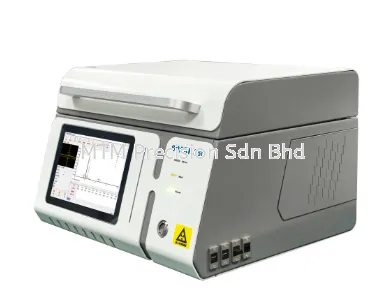
The Qi Wei PAL-401 Coffee Concentration Meter is available from MTM Precision for cafés, coffee roasters, barista training centres and food and beverage users throughout Malaysia.
Customers may visit our Puchong showroom to view the instrument and obtain guidance on basic operation, cleaning and sample preparation.
Contact MTM Precision
MTM Precision Sdn. Bhd.
Professional Test & Measurement Instruments • Technical Consultation • Product Demonstration • After-Sales Support
MTM Precision supplies professional testing and measurement instruments for industrial, laboratory, engineering, water-quality and food and beverage applications throughout Malaysia.
Website: www.mtmpre.com.my
WhatsApp: +6016-660 7346
Email: mtmpre@yahoo.com
Showroom & Service Centre
No. 29-1 & 29-2, Jalan Bandar 18,
Pusat Bandar Puchong,
47160 Puchong, Selangor, Malaysia.
Customers are welcome to visit our Puchong showroom to view selected products, discuss their applications and identify a suitable testing solution with our team.
15 Sep 2026

