




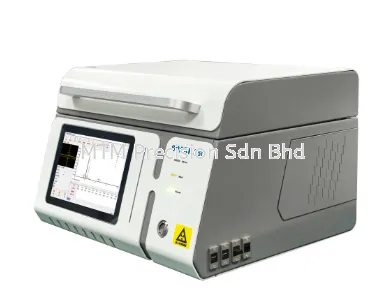


Linshang LS173 Portable Colorimeter for Supplier Color Quality Control Malaysia

Linshang LS173 Portable Colorimeter for Supplier Color Quality Control Malaysia
When the same colored component is purchased from different suppliers, maintaining consistent product appearance can become a quality control challenge.
Supplier A may describe the product as the correct color. Supplier B may use the same color specification. Supplier C may insist its latest production matches the previous batch. Yet when the components are placed side by side, visible differences may still appear.
The Linshang LS173 Portable Colorimeter provides manufacturers with an objective method for comparing supplier samples against an approved color reference.
For companies in Malaysia, this can help improve Supplier Quality Control (SQC), incoming inspection and batch-to-batch color consistency.
Why Can Supplier Colors Be Different?
Even when suppliers receive the same specification, differences can arise because of:
Raw material variation
Different pigment suppliers
Masterbatch differences
Different paint formulations
Production parameters
Processing temperature
Printing conditions
Substrate variation
Different production equipment
Different QC procedures
Therefore, specifying a color does not automatically guarantee that every supplier will produce exactly the same result.
The Problem with Supplier-to-Supplier Visual Comparison
Imagine that three suppliers provide the same plastic housing.
The purchasing team places the samples together.
Supplier A: Looks correct.
Supplier B: Slightly darker.
Supplier C: Almost the same as Supplier A.
This may be enough for an initial visual assessment, but it is difficult to establish a repeatable supplier QC system based only on descriptions such as “slightly darker.”
A colorimeter provides numerical data for comparison.
Compare Every Supplier Against One Master
One important principle is to avoid using one supplier as the reference for another supplier.
Instead, establish a controlled approved master.
For example:
Approved Master → Supplier A
Approved Master → Supplier B
Approved Master → Supplier C
All suppliers are evaluated against the same reference.
This creates a more consistent basis for comparison.
What Can Be Used as a Master Sample?
Depending on the application, the master may be:
Customer-approved sample
Golden sample
Approved plastic component
Standard painted panel
Approved printed sample
Packaging master
Approved production sample
The master should be managed carefully because it becomes the reference for future supplier inspections.
Delta E for Supplier Color Comparison
Delta E (ΔE) is commonly used to describe the measured difference between two colors.
Generally:
Lower ΔE = smaller color difference
Higher ΔE = greater color difference
This gives supplier quality teams a measurable way to evaluate how closely a sample matches the approved reference.
However, the acceptable Delta E tolerance should be established according to the actual application, customer requirement and internal quality standard.
One universal tolerance should not automatically be used for every material or product.
Example: Plastic Component Suppliers
A manufacturer purchases grey injection-molded components from two suppliers.
Both suppliers use the same drawing and nominal color requirement.
When the components arrive, the QC department notices that one supplier's parts appear slightly different.
The LS173 can be used to compare suitable samples from both suppliers against the approved master.
This gives the purchasing and quality teams additional information when evaluating the issue.
Example: Painted Component Suppliers
A manufacturer outsources painted components to several subcontractors.
Although each subcontractor receives the same color requirement, differences in paint, substrate or application conditions may influence the final appearance.
Color measurement provides a more objective way to compare suitable coated samples with the approved standard.
Where necessary, separate gloss and coating thickness measurements may also form part of the supplier inspection process.
Example: Packaging Suppliers
A company purchases printed cartons from Supplier A and Supplier B.
Both cartons carry the same branding.
If the brand colors are noticeably different when products appear together on a retail shelf, the inconsistency may affect presentation.
Using an approved packaging master gives the company a common reference for evaluating suitable samples from both suppliers.
Incoming Quality Control for Every Delivery
Supplier approval is not necessarily enough.
Even a supplier that produced an acceptable batch last month may deliver a different result this month.
Therefore, color measurement can also be incorporated into routine Incoming Quality Control (IQC).
A workflow may be:
Supplier Delivery → Sampling → Visual Inspection → LS173 Measurement → Compare Against Master → Accept / Hold / Investigate
The inspection frequency and sampling quantity should follow the company's own QC procedure.
New Supplier Evaluation
The LS173 may also be useful when evaluating a new supplier.
Suppose the purchasing department has identified three potential suppliers.
Rather than comparing only:
Price
Delivery
Production capacity
the company can also evaluate sample color consistency against the approved master.
This adds another measurable factor to the supplier qualification process where color is important.
Supplier Sample Approval
Before mass production, a supplier may submit samples for approval.
The company can:
Receive Sample → Visual Check → Measure Color → Compare with Master → Approve / Request Adjustment
Once the sample is approved, appropriate records can be retained for future comparison.
This helps create a clearer reference for subsequent deliveries.
Reduce Supplier Disputes
A common discussion may sound like this:
Buyer: “The new batch is a different color.”
Supplier: “We used exactly the same color.”
Buyer: “Our QC says it is darker.”
Supplier: “Our QC says it is correct.”
Visual judgement alone may not resolve the disagreement.
Measurement data based on an established procedure provides an additional technical reference for investigation.
D/8 Measurement Geometry
The Linshang LS173 uses D/8 optical geometry, referring to diffuse illumination with an 8-degree viewing geometry.
Controlled optical measurement can help improve repeatability compared with uncontrolled visual comparison.
This is particularly useful when supplier samples need to be evaluated consistently over long periods.
Supplier Quality Is More Than Pass or Fail
Measurement data can also be used to observe trends.
For example:
Supplier A: Consistently close to master
Supplier B: Acceptable but more variable
Supplier C: Frequently approaches the company's tolerance
Even when all three suppliers technically pass the current acceptance criteria, this information may help supplier quality teams understand consistency.
Keep Historical QC Records
For frequently purchased products, companies may benefit from maintaining measurement records.
Over time, this can help answer questions such as:
Which supplier is most consistent?
Has a supplier's color gradually changed?
Did the latest raw material batch affect appearance?
When did the variation begin?
Is the problem isolated or recurring?
This turns color measurement into useful supplier quality data.
Portable Measurement for Supplier Visits
Because the LS173 is portable, color inspection does not necessarily need to remain in the company's QC room.
Depending on the inspection procedure, portable measurement may also be useful during:
Supplier visits
Pre-shipment inspection
Factory audits
Sample approval
Incoming inspection
Production troubleshooting
This can make the instrument useful to both QC and supplier quality personnel.
Create a Supplier Color QC Procedure
A supplier color control procedure may define:
Approved master sample
Measurement location
Sample preparation
Measurement method
Number of measurements
Color difference criteria
Sampling frequency
Record keeping
Non-conformance procedure
Where possible, the measurement method and acceptance criteria should be clearly communicated between the customer and supplier.
Who Can Benefit from Supplier Color Measurement?
The LS173 may be useful for companies purchasing:
Plastic components
Painted parts
Coated products
Printed materials
Packaging
Labels
Consumer product components
Other suitable colored products
Potential users include purchasing departments, QA/QC teams, supplier quality engineers, incoming inspectors and production engineers.
From Supplier Opinion to Supplier Data
Without objective measurement:
Supplier: “Same color.”
Buyer: “Looks different.”
With an established measurement process:
Approved Master → Measure Supplier Sample → Compare → Record → Evaluate
This provides a more structured approach to supplier color quality management.
Linshang LS173 for Supplier Quality Control Malaysia
MTM Precision supplies industrial testing and measurement instruments for manufacturing, engineering and quality control applications throughout Malaysia.
If your company needs a portable colorimeter for supplier quality control, incoming inspection, Delta E measurement, supplier comparison or batch color consistency, contact MTM Precision to discuss your application.
Contact MTM Precision
MTM Precision Sdn. Bhd.
Showroom & Service Centre
No. 29-1 & 29-2, Jalan Bandar 18,
Pusat Bandar Puchong,
47160 Puchong, Selangor, Malaysia
🌐 Website: www.mtmpre.com.my
📧 Email: mtmpre@yahoo.com
📱 WhatsApp: +6016-660 7346
Looking for a Linshang LS173 Portable Colorimeter for supplier color quality control in Malaysia? Contact MTM Precision for quotation, product information and application enquiries.
12 Aug 2026


